 Pin it
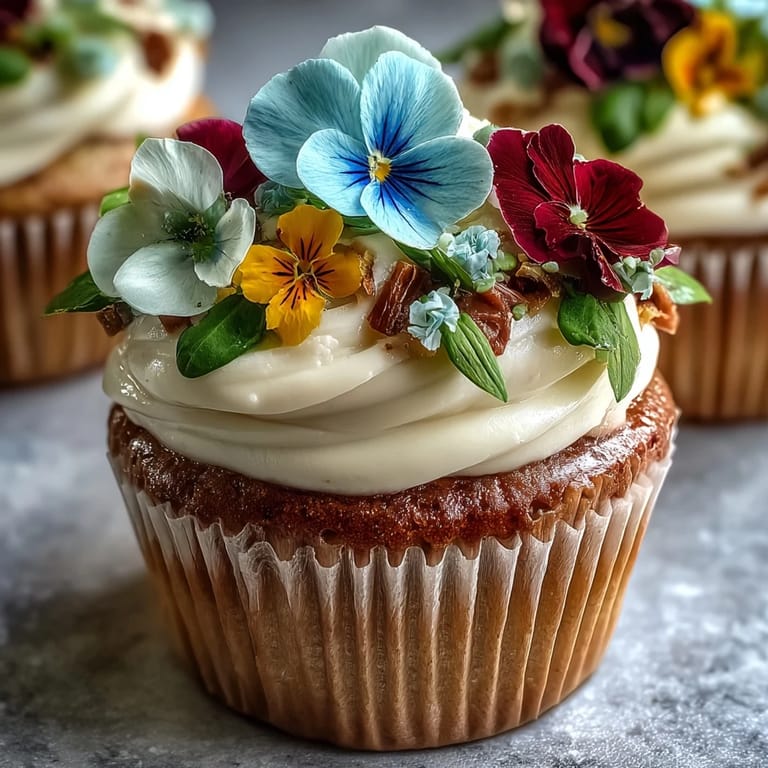
 The first time I made Spring Cupcakes with edible flowers, sunlight spilled through the kitchen window and caught the swirl of buttercream in a way that seemed almost magical. I remember the soft sweetness in the air as I gently pressed violet petals onto each cupcake, wondering if they'd stay put. My cat had nestled nearby on the rug, watching me with curious eyes as I carefully arranged pansies and calendula. It's funny how a simple recipe can quickly fill your kitchen with brightness and anticipation. There was nothing fussy about the steps, but seeing the final, colorful batch felt like a celebration that arrived ahead of schedule.
I baked these cupcakes for a friend's book club one breezy afternoon, and they became the centerpiece before the stories even began. Each guest reached for their favorite blossom, giggling as they tried to guess which flower was which, and I realized the decorations sparked as much conversation as the dessert itself. Watching everyone marvel at their cupcake, I learned there’s joy in offering beauty you can eat. The kitchen felt alive with chatter—and occasionally, an accidental spill of frosting that made us all laugh.
Ingredients
- All-purpose flour: Use fresh, unbleached flour and sift for an airy crumb—skipping the sifting leads to dense cupcakes.
- Baking powder: This gives the cupcakes their springiness and rise; always check it's in date.
- Baking soda: Adds extra lift for a confident dome, but measure carefully to avoid a soapy taste.
- Fine salt: Balances sweetness and brings out subtle flavors; a tiny pinch is enough.
- Unsalted butter (for both cupcakes and frosting): Softened butter makes creamy batter and luscious frosting, and proper temperature prevents lumps.
- Granulated sugar: Cream thoroughly with butter until pale for the fluffiest texture.
- Eggs (room temperature): Help emulsify the batter and make it extra tender; cold eggs can cause curdling.
- Pure vanilla extract: Delivers floral sweetness—skip imitation if you want real aroma.
- Whole milk (room temperature): Adds soft richness and makes the batter smooth, so don’t forget to let it warm up.
- Powdered sugar (sifted): Essential for frosting that’s dreamy and light; sifting avoids gritty bits.
- Edible flowers (violets, pansies, calendula, nasturtiums): Only use flowers you trust, rinsed and dried gently so they stay vibrant on the cupcakes.
- Pinch of salt (for frosting): Prevents frosting from tasting overly sweet and makes flavors pop.
Tired of Takeout? 🥡
Get 10 meals you can make faster than delivery arrives. Seriously.
One email. No spam. Unsubscribe anytime.
Instructions
- Prep the Tin:
- Line your muffin tin with cupcake liners, and turn the oven on to 350°F; feel the warmth start to fill the kitchen.
- Mix Dry Ingredients:
- Whisk the flour, baking powder, baking soda, and salt together—notice the powdery softness as you stir.
- Cream Butter and Sugar:
- Beat butter and sugar till pale and fluffy; listen for the gentle swoosh from your mixer and scrape the bowl’s sides.
- Add Eggs and Vanilla:
- Add eggs one at a time, blending slowly before stirring in vanilla—the batter should look silky and smell like vanilla clouds.
- Combine Dry and Wet:
- Pour in half the dry mix, followed by the milk, then finish with the rest; stir just enough so everything’s mixed but not packed down.
- Fill and Bake:
- Spoon the gentle batter into liners, filling each about two-thirds, then bake for 16–18 minutes; watch the tops rise and set, and test with a toothpick for doneness.
- Cool the Cupcakes:
- Let baked cupcakes sit in the tin for 5 minutes, then transfer them onto a wire rack—feel their warmth fade as they cool.
- Make the Buttercream:
- Whip butter until creamy, gradually mix in powdered sugar, add milk, vanilla, and salt—the frosting should be soft, almost cloud-like.
- Frost:
- Pipe or spread buttercream over the cooled cupcakes; let kids or friends taste a lick from the spatula.
- Decorate:
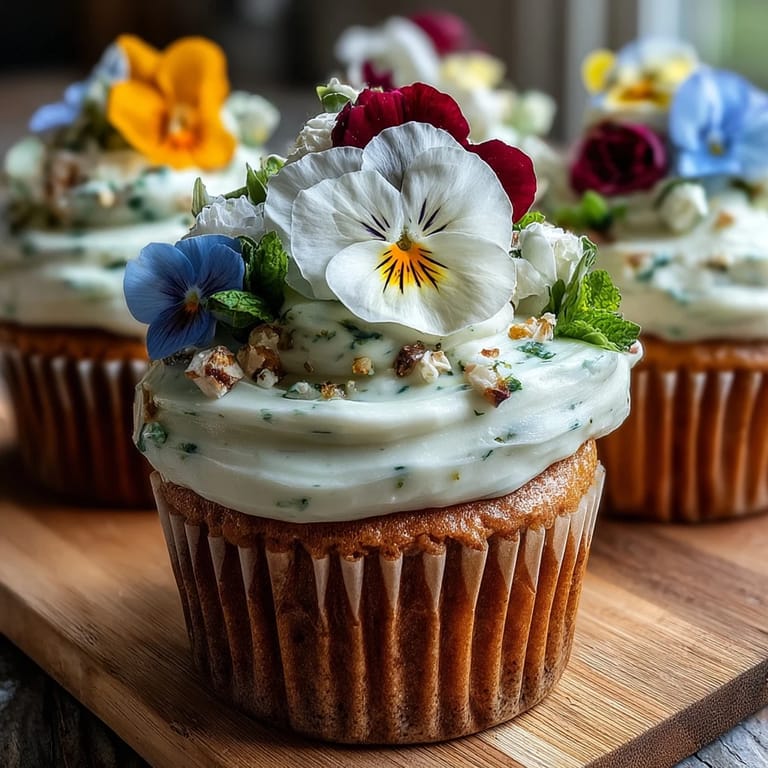
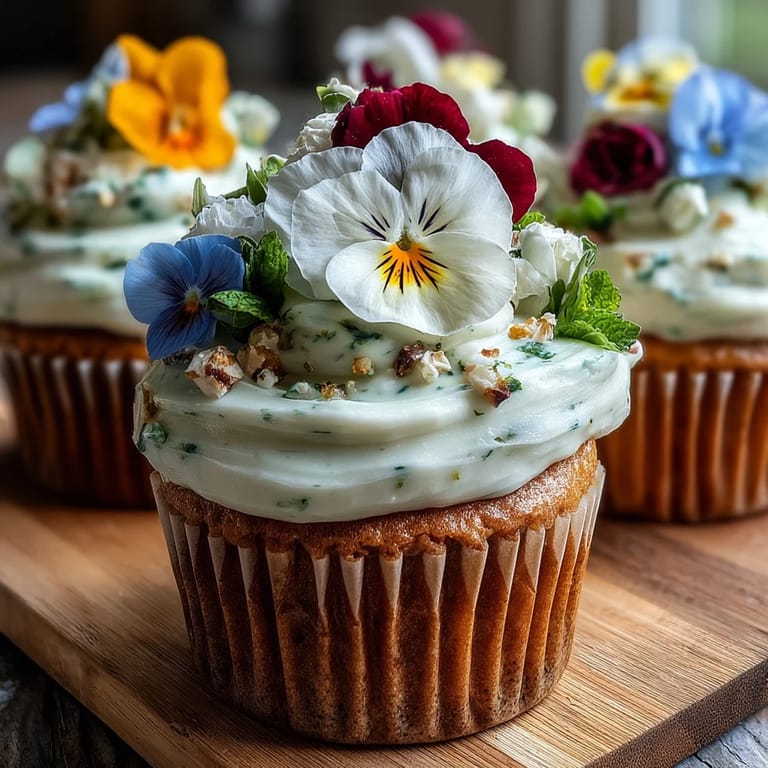
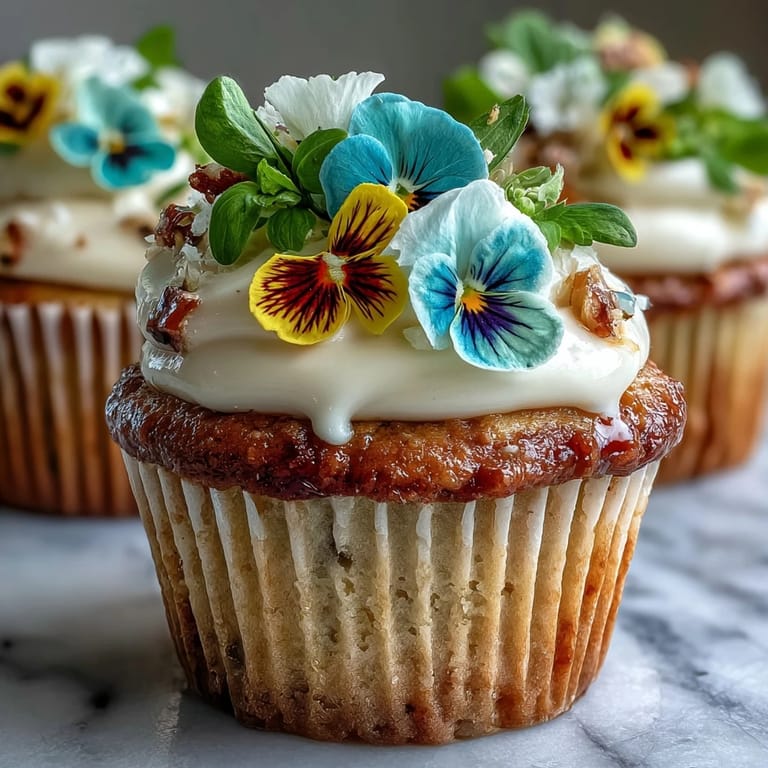
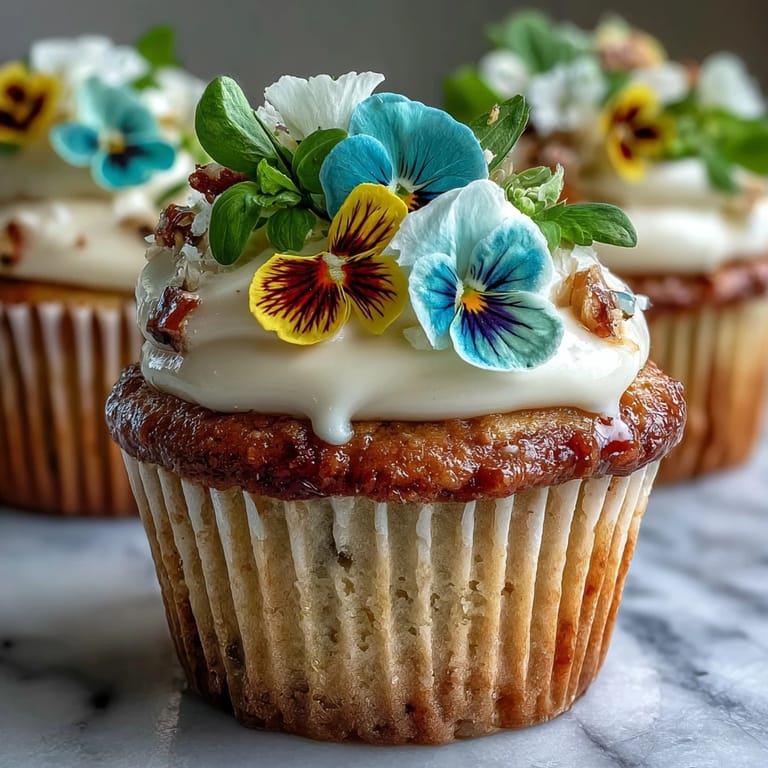
- Arrange edible flowers on each cupcake, gently pressing the petals so they stay put and look like spring in miniature.
 Pin it
  Pin it
 There was a quiet moment after everyone had left, when just one cupcake remained and the kitchen smelled faintly of vanilla and pollen. I took a bite with my tea, feeling grateful for small moments of beauty. Sometimes a cupcake topped with a flower can turn an ordinary day into something gentle and memorable.
Choosing Edible Flowers with Confidence
I once spent half an hour reading about which petals were safe and realized it’s much easier if you buy from a trusted flower grocer. Pansies lend a subtle sweetness, while nasturtiums bring a peppery note—either way, only use flowers you know are edible. Always rinse them gently and pat dry, because even the tiniest speck can spoil their color. If you’re unsure, skip that blossom and stick to those you’d eat in a salad.
Buttercream That’s Always Fluffy
On a cold day my butter was too firm to whip, so I warmed it just enough to turn soft, yielding a smooth swirl on every cupcake. If your frosting seems heavy, just add a splash more milk and keep beating. Powdered sugar can clump if not sifted, and lumps mean streaks in the icing—so don’t rush this step. It’s these tiny adjustments that make homemade buttercream feel bakery-worthy.
Cupcake Decorating Tricks
Sometimes I arrange flowers in patterns, other times scatter them like confetti, and both ways turn out charming. It helps to use frosting as glue; gently press the petals until they adhere without crushing. If a flower wilts, swap it for a new one and keep the colors fresh. Decorating is all about whimsy, so don’t let perfection stop you from trying new combinations.
- If you’re running low on flowers, combine with herbs like mint for a visual boost.
- Keep cupcakes cool but not cold, or frosting gets stiff.
- Don’t skip the wire rack—cupcakes need airflow for best texture.
 Pin it
  Pin it
 Making these cupcakes fills the kitchen with color and a sense of play—whether for company or just yourself. May each batch remind you there’s always room for edible beauty in the day.
Recipe FAQs
- → What flowers are best for decorating?
Use edible blooms like violets, pansies, calendula, and nasturtiums that are safe, pesticide-free, and thoroughly cleaned.
- → How do I achieve the light buttercream texture?
Beat softened butter until creamy, then gradually add sifted powdered sugar and milk for a fluffy consistency.
- → Can the cupcakes be made ahead?
Yes, prepare and store cupcakes in an airtight container at room temperature for up to two days.
- → How do I ensure edible flowers are safe?
Source flowers from reputable suppliers or grow them without pesticides. Always wash and dry carefully before use.
- → What pairs well with these cupcakes?
Serve with floral teas or sparkling wine for a festive, elegant touch at spring gatherings.
- → Can I add extra flavor to the batter?
Add a hint of lemon zest to the cupcake mixture for a refreshing, spring-inspired note.