 Pin it
 The notion of baking a rosé velvet cake first took root on a rainy afternoon when a playlist of French ballads underscored the gentle clink of measuring spoons. It wasn’t an occasion at first—only the whimsy to capture the blush-pink glow of my favorite wine in a cake. The first trial meant scraping batter remnants from spatulas with sticky, frosting-covered fingers, grinning at the absurd mismatch of elegance and kitchen chaos. The aroma of rosé mingling with creamy butter had me checking the oven window far too often, convinced I could catch that moment when pink velvet turned plush. Sometimes, the prettiest things come from a bit of spontaneous mischief.
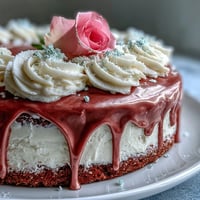
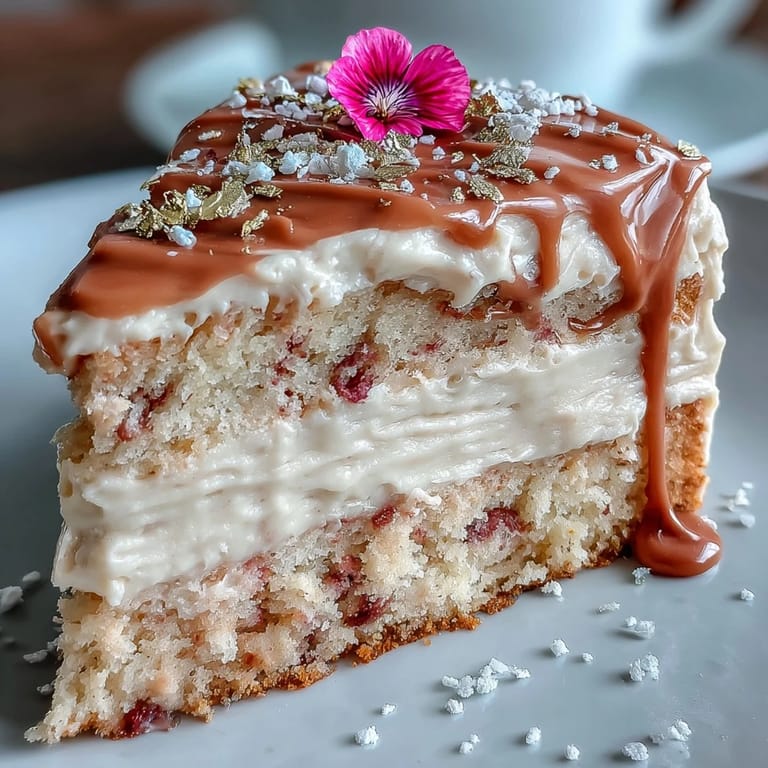
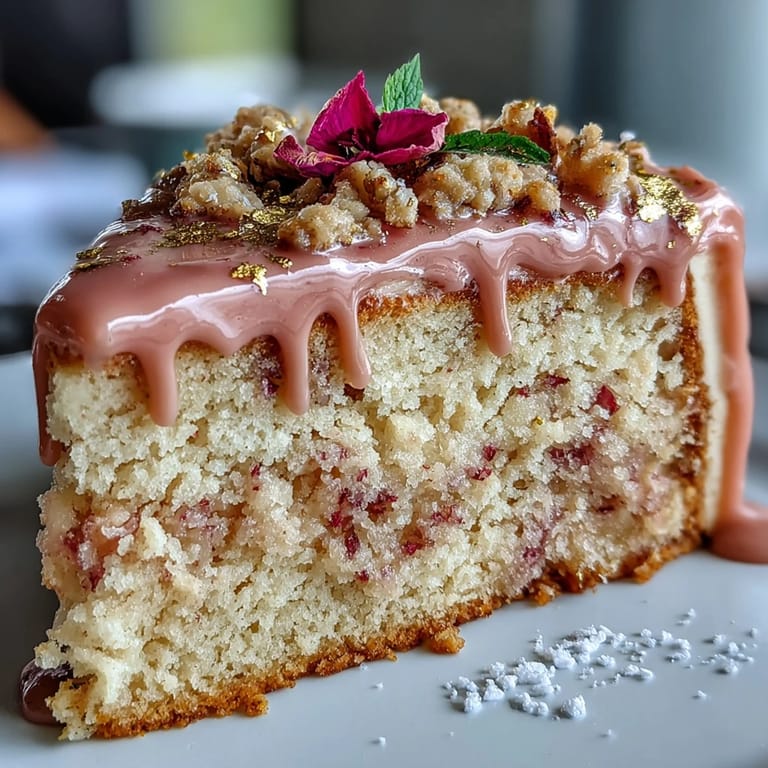
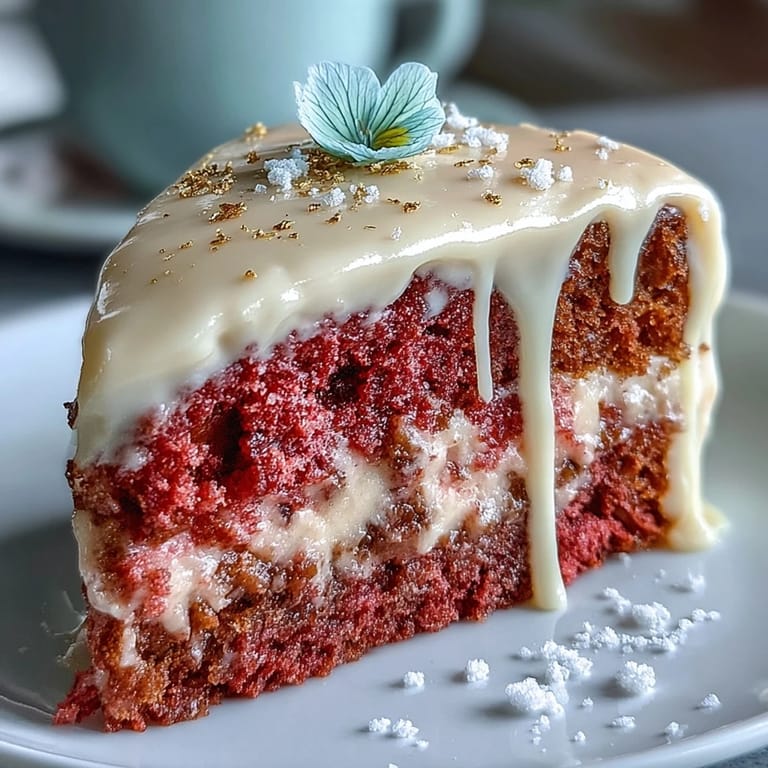
The first time I unveiled this cake at a bridal shower, someone gasped and insisted it was far too pretty to eat—until the cream cheese frosting tempted every fork. Most of us clustered around, cups of bubbly in hand, admiring the shimmer of the gold drip and snapping a few too many photos. But within minutes, plates filled and blush-pink crumbs began to disappear. Laughter rose above the hum of the gathering and a meringue of frosting streaked someone's cheek. Sometimes the most beautiful cakes taste best when shared in the blur of happy conversation.
Ingredients
- All-purpose flour: Structure is essential for a towering layer cake, and I’ve found sifting makes all the difference to avoid dense spots.
- Cornstarch: Just a spoonful softens the crumb, giving that plush velvet texture; don’t skip it for true velvet cake feel.
- Unsweetened cocoa powder: It adds just enough depth without overwhelming the wine’s floral notes—use natural cocoa if you’re after a gentle color.
- Baking soda: The secret to lift; make sure it’s fresh for the softest result.
- Salt: A small pinch keeps all the sweetness balanced and brings out flavor nuances in the wine.
- Unsalted butter: Room temperature butter is the key to that fluffy, luxurious base—cold butter just won’t cream smoothly.
- Granulated & light brown sugar: The mix of sugars gives caramel notes and a soft, tender cake, which I learned after several rounds of testing.
- Large eggs: I always make sure the eggs are at room temperature for the best incorporation—cold eggs can cause curdling.
- Rosé wine: Choose a bright, fruit-forward bottle; a little splashed in the glass for the baker doesn’t hurt either.
- Buttermilk: Its tang and acidity react with the baking soda for an incredibly tender cake.
- Vanilla extract: Just a touch makes the wine’s berry notes sing.
- Pink gel food coloring: If you want that perfect pastel shade, a drop or two is all you need—less is definitely more.
- Cream cheese & unsalted butter (for frosting): I’ve found whipping these together until fluffy is the trick to a cloud-like finish.
- Confectioners’ sugar: Always sift it, or you risk stubborn lumps in your frosting.
- White chocolate chips & heavy cream (for gold drip): Melting them gently gives a silky-smooth ganache that flows beautifully.
- Edible gold luster dust & clear vodka or lemon extract: Mixing these creates that glam gold paint, and a food-safe brush is a must for perfect drips.
Tired of Takeout? 🥡
Get 10 meals you can make faster than delivery arrives. Seriously.
One email. No spam. Unsubscribe anytime.
Instructions
- Prep the pans & oven:
- Preheat to 350°F (175°C) while you grease and line your three 8-inch cake pans—you’ll thank yourself at release time.
- Sift and combine the dry ingredients:
- In a medium bowl, sift together the flour, cornstarch, cocoa powder, baking soda, and salt; the gentle hiss of flour hitting the bowl is oddly satisfying.
- Cream the butter and sugars:
- Beat butter, granulated sugar, and brown sugar until they’re light and fluffy; when it looks like pale mousse, you’re there.
- Add eggs and vanilla:
- One egg at a time, mixing after each—the batter might look a little curdled at first but keeps smoothing out with each addition.
- Mix wine and buttermilk:
- Pour both into a jug, swirling to blend; the buttermilk’s tang does magical things to the rosé’s lift.
- Alternate dry and wet ingredients:
- With the mixer on low, add flour mix and rosé-buttermilk blend in turns, starting and ending with the dry; it’s the secret to a soft crumb.
- Color it pink:
- Drop in a bit of pink gel coloring—watch the batter transform, but don’t go overboard or it’ll turn neon.
- Pan and bake:
- Divide batter evenly into pans and smooth the tops; your oven will fill quickly with the scent of vanilla and berries as it bakes for 28-32 minutes.
- Cool the cakes:
- Let cakes rest in pans for 10 minutes before turning onto a wire rack; the hardest part is waiting for them to cool completely.
- Whip up the frosting:
- Beat cream cheese and butter until dreamy and smooth, then gradually add sugar, vanilla, and salt; fluffy and cloudlike is the goal.
- Assemble and frost:
- Frost between layers and around the outside, smoothing as you go; don’t fret if it’s not perfect since the gold drip will hide plenty.
- Chill before decor:
- Set the cake in the fridge for at least 30 minutes to firm everything up; this makes the drip setup so much easier.
- Make the gold drip:
- Gently melt white chocolate chips with cream, stirring till smooth; let cool a little before spooning or piping around the cake edges for gorgeous drips.
- Paint them gold:
- Mix luster dust with vodka or lemon extract and brush over the set chocolate drips for that dazzling finish.
- Finishing touches:
- Top with edible flowers or gold leaf for extra panache, or keep it simple if that’s your style.
 Pin it
 The cake became more than a dessert when my friend wiped frosting off her dress with a laugh and declared it a ‘lucky charm’ for the wedding. During clean-up, we found flecks of gold paint on our fingertips, a happy reminder that even the mess is part of the magic.
Choosing the Right Rosé Makes All the Difference
When picking your bottle, steer toward a dry, fruit-forward rosé—it’ll give your cake a gentle berry note but won’t overpower the delicate flavors. Avoid sweet or oaky options that might muddy the pastel hue or clash with the cream cheese tang.
How to Nail a Perfect Gold Drip Every Time
Working quickly but gently with the slightly cooled ganache is crucial: too warm and it runs, too cool and you’ll get blobs. A teaspoon helps you control the pace, and a practice drip inside the bowl can calm last-minute nerves.
Adapting This Cake for Any Celebration
This recipe’s adaptable nature means you can switch rosé for pink grape juice at baby showers or skip the drip in favor of scattered fresh berries for a garden party vibe.
- If piping decorations, chill the frosting for 10–15 minutes for crisper edges.
- Use parchment rounds in the pans for flawless cake release every time.
- Store leftovers covered in the fridge, and enjoy with a celebratory glass of rosé.
 Pin it
 May each slice of this rosé velvet cake bring a bit of sparkle to your next gathering—don’t be surprised if people remember the cake long after the confetti settles.
Recipe FAQs
- → How much alcohol remains after baking?
Baking reduces most alcohol content but may not remove it entirely; for minimal alcohol, replace rosé with pink grape juice or sparkling cider for the same fruity note.
- → How do I keep the cream cheese frosting stable?
Use room-temperature cream cheese and butter, beat until fully smooth, and chill the frosted cake for 30 minutes before decorating. Keep frosting refrigerated until serving to maintain texture.
- → How can I intensify the pink hue naturally?
Use a small amount of concentrated beet or raspberry powder for natural color, or increase the rosé reduction slightly; add gel coloring sparingly to avoid altering flavor.
- → What's the best way to get a smooth gold drip?
Melt white chocolate with cream to a pourable ganache, cool slightly so it thickens but still flows, then spoon around the edges. Once set, mix edible gold luster with a few drops of clear vodka or lemon extract and brush over the hardened drips.
- → How should I store leftovers?
Cover and refrigerate the cake for up to 3 days. Bring to room temperature before serving for best texture; if frozen, wrap tightly and thaw in the fridge overnight.
- → Any tips for even cake layers?
Weigh or divide batter evenly between pans, tap to remove air bubbles, and rotate pans in the oven if needed. Trim domes with a serrated knife for level stacking.