 Pin it
 Last spring, I found myself at a farmers market drawn to a jar of dandelion honey that caught the afternoon light like liquid gold. The vendor mentioned it paired beautifully with lemon, and something about that combination sparked an idea I couldn't shake. That evening, I improvised a cake that turned out to be one of those happy accidents where every element just sang together—the floral sweetness of the honey softened by bright citrus, creating something that felt both elegant and utterly comforting.
I baked this for my neighbor's spring tea party without warning her what was coming, and watching her close her eyes after the first bite while saying absolutely nothing told me everything. She asked for the recipe right there, frosting still clinging to her fork, and I realized I'd stumbled onto something that bridges that magical gap between homey and refined.
Ingredients
- All-purpose flour (2 cups / 250 g): The foundation that keeps this cake tender rather than dense, so don't skip the fluffing step when you measure.
- Baking powder and baking soda (1 1/2 tsp and 1/2 tsp): These two work together to lift the cake while the acidity from the lemon juice helps activate the baking soda, creating that perfect crumb.
- Fine sea salt (1/2 tsp): A tiny pinch that makes the honey and lemon flavors pop without anyone knowing why the cake tastes so balanced.
- Unsalted butter, room temperature (1/2 cup / 115 g): Cold butter won't cream properly, so let it sit out for at least thirty minutes—this is where the magic of air pockets begins.
- Dandelion honey (1/2 cup / 120 ml): The star of the show with its delicate floral notes; if you can't find it, regular honey works but use slightly less sugar to compensate for the extra sweetness.
- Granulated sugar (1/2 cup / 100 g): Paired with the honey, this creates the right structure and helps the butter trap air when creaming.
- Eggs, room temperature (3 large): Cold eggs won't incorporate smoothly and can create a lumpy batter, so remove them from the fridge while you prep other ingredients.
- Pure vanilla extract (1 tsp): The real stuff matters here because it adds a quiet warmth that synthetic vanillin can't quite achieve.
- Whole milk, room temperature (1/2 cup / 120 ml): The warmth helps it blend seamlessly and keeps the batter from becoming too thick.
- Lemon zest (2 tbsp from about 2 lemons): Zest before you juice to avoid wasting any of those fragrant oils that make this cake sing.
- Freshly squeezed lemon juice (2 tbsp): Fresh juice brightens the batter in ways bottled juice never quite manages, creating that sunny flavor that cuts through the honey's richness.
- Powdered sugar, sifted (1 cup / 120 g): Sifting removes lumps and creates a glaze that's smooth and glossy rather than gritty.
- Lemon juice for glaze (2–3 tbsp): Add this gradually so you control the consistency and avoid an overly thin, runny glaze.
- Dandelion honey for glaze (1 tbsp): This extra touch keeps the glaze's floral quality while helping it set with a subtle sheen.
Tired of Takeout? 🥡
Get 10 meals you can make faster than delivery arrives. Seriously.
One email. No spam. Unsubscribe anytime.
Instructions
- Prepare your stage:
- Preheat the oven to 350°F (175°C) and take a moment to grease and flour your 9-inch cake pan thoroughly, getting into the corners where batter tends to stick stubbornly. If you prefer, parchment paper is your friend here and takes the guesswork out of release.
- Blend your dry ingredients:
- Whisk the flour, baking powder, baking soda, and salt together in a medium bowl, making sure the leavening agents are evenly distributed throughout. This prevents dense pockets that sometimes sneak into cakes when baking soda isn't properly mixed.
- Cream the wet base:
- In a large mixing bowl, beat the room-temperature butter, dandelion honey, and sugar together for about three minutes until the mixture looks pale, fluffy, and almost cloud-like. You're essentially whipping air into the butter, which is what gives this cake its tender crumb.
- Incorporate the eggs gently:
- Add the eggs one at a time, beating well after each addition so they emulsify completely into the butter mixture rather than sitting on top like oil. This step takes patience, but it's what keeps the cake moist and structured.
- Add vanilla, zest, and juice:
- Stir in the vanilla extract, lemon zest, and lemon juice, letting the bright notes distribute evenly through the creamed mixture. The lemon juice will seem to separate slightly, but that's exactly what should happen.
- Alternate flour and milk:
- Add your flour mixture and milk in three alternating additions, starting and ending with flour, mixing until just combined after each addition. Overmixing develops gluten and creates a tough cake, so stop as soon as you see no white streaks.
- Fill and smooth:
- Pour the batter into your prepared pan and smooth the top gently with a spatula, tapping the pan once or twice on the counter to release any large air bubbles. The batter should be thick enough to hold its shape but still flow easily.
- Bake until golden:
- Bake for 35–40 minutes until a toothpick inserted into the center comes out clean or with just a few moist crumbs clinging to it. The cake should smell incredible and pull slightly away from the sides of the pan.
- Cool with intention:
- Let the cake rest in the pan for 10 minutes so it sets enough to handle without falling apart, then turn it out onto a wire rack to cool completely. Rushing this step leads to a still-warm cake that can crack when you apply the glaze.
- Make the glaze:
- Whisk together the sifted powdered sugar, dandelion honey, and lemon juice gradually, stopping when you reach the consistency you want—thick enough to cling to the cake but thin enough to drizzle. Taste it; it should be bright and slightly sweet, not overly tart.
- Finish with elegance:
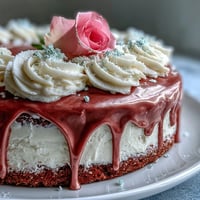
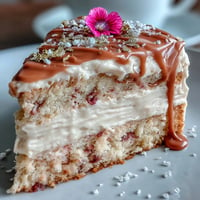
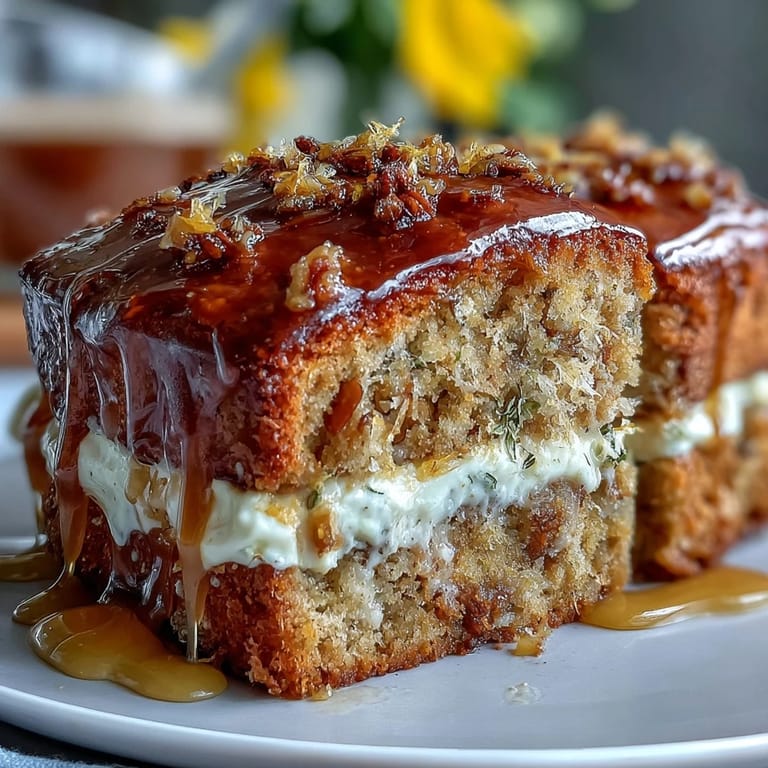
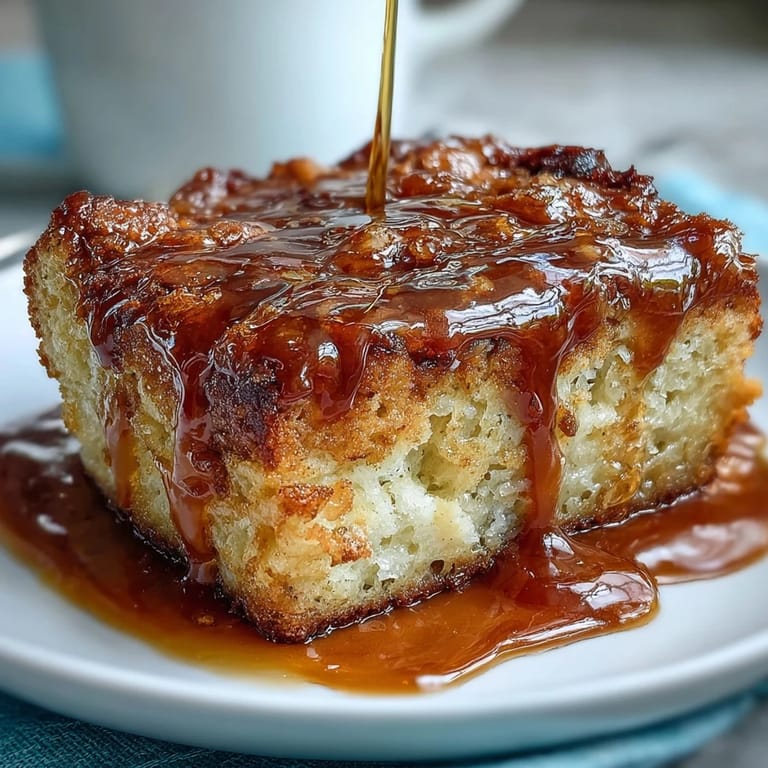
- Once the cake is completely cool, drizzle the glaze over the top and let it set for 10–15 minutes so it firms up just enough to be beautiful rather than running straight down the sides. The honey in the glaze helps it set with a subtle sheen that catches the light.
 Pin it
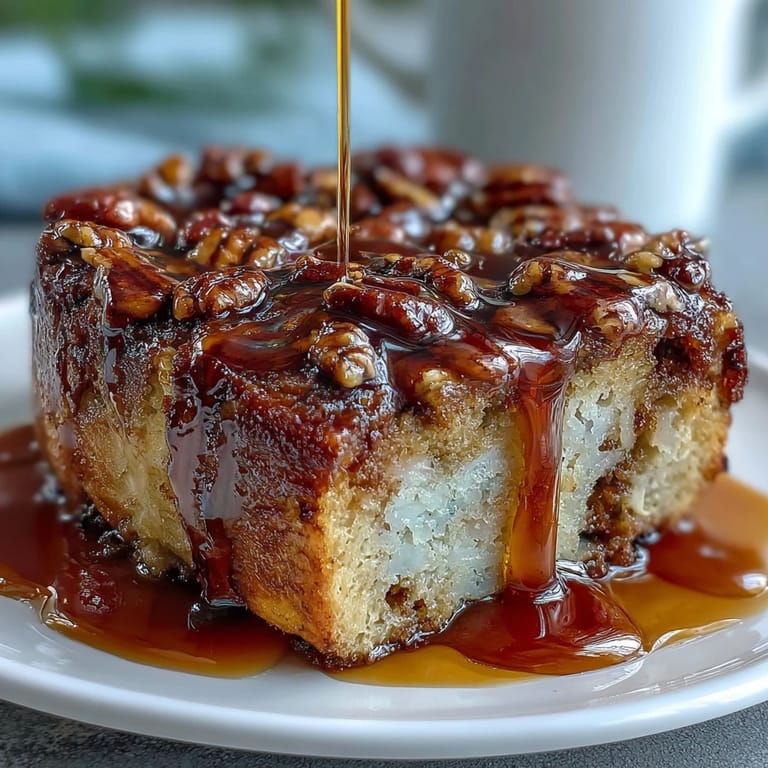
 There was this moment during an afternoon bake when steam rose from the oven and the kitchen filled with honey and lemon so completely that my entire day felt different—lighter, more hopeful somehow. It's remarkable how a cake can do that, turning ordinary hours into something worth remembering.
When to Serve This Cake
This is your cake for those moments when you want dessert to feel like an occasion without making it complicated. Spring afternoons, quiet Sunday mornings, or when someone needs reminding that small beautiful things still exist—those are all perfect times to slice into this.
Flavor Pairing Wisdom
The floral notes of dandelion honey create an almost herbal depth that plays beautifully against bright lemon, so your beverage pairing should respect that balance. Herbal teas like chamomile or Earl Grey work wonderfully, but so do light floral white wines if you're feeling a bit more adventurous about the occasion.
Storage and Make-Ahead Tips
This cake actually improves slightly after a day as the flavors meld together, so baking it a day ahead for an event is smart planning. Keep it in an airtight container at room temperature and it stays fresh and moist for up to three days, though honestly, it rarely lasts that long in any kitchen worth its salt.
- For a more pronounced dandelion character, finely chop unsprayed dandelion petals and fold them gently into the batter just before pouring.
- If you want to make this gluten-free, use a one-to-one baking flour blend and reduce the baking soda slightly, though the crumb will be slightly different.
- Leftovers slice beautifully and taste wonderful at room temperature, making this an excellent cake to prepare when you know you'll appreciate having something ready to share.
 Pin it
 This cake is proof that sometimes the most memorable desserts come from following your instincts and trusting that unusual flavor combinations might be exactly what the moment needs. Bake it, share it, and watch how it becomes the thing people ask you to make again and again.
Recipe FAQs
- → What gives the cake its distinctive flavor?
The cake’s unique taste comes from the floral notes of dandelion honey combined with fresh lemon zest and juice, which add brightness and depth.
- → Can I substitute dandelion honey with regular honey?
Yes, regular honey can be used as an alternative, but dandelion honey provides a special floral aroma that enhances the overall flavor.
- → How should I store the cake to keep it fresh?
Store the cake in an airtight container at room temperature for up to three days to maintain its moist texture and flavor.
- → Is there a way to intensify the dandelion flavor?
Adding finely chopped unsprayed dandelion petals to the batter will enhance the floral character without altering the texture.
- → What kitchen tools are recommended for preparing this cake?
A 9-inch round cake pan, mixing bowls, electric mixer or whisk, measuring tools, microplane or zester, and wire rack are essential for best results.