 Pin it
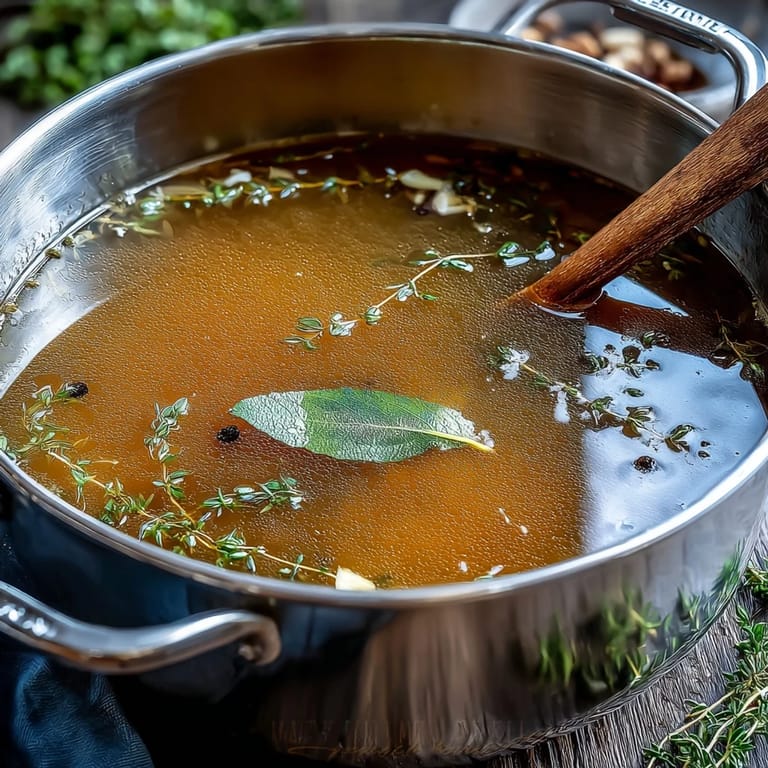
 I used to toss my vegetable scraps without a second thought until a snowstorm left me housebound with a nearly empty pantry. Rummaging through my fridge, I found nothing but odds and ends – carrot peels, onion skins, and celery ends. That desperate experiment yielded a broth so rich and flavorful it changed my cooking forever. The steam rising from that first batch carried aromas that transformed my kitchen into something extraordinary.
Last winter, my neighbor was recovering from surgery and I wanted to bring something nourishing but simple. I delivered a mason jar of this golden broth still warm from the stove, and weeks later she confessed she had been making it regularly, saying the ritual of collecting scraps had become a form of mindfulness in her kitchen. Something so simple had become a healing practice for both of us.
Ingredients
- Vegetable Scraps (4 cups): The magic happens when you mix colors and textures – the sunset orange of carrot peels, translucent onion skins, and the forest green of leek tops create layers of flavor impossible to achieve with store-bought options.
- Aromatics: That lonely bay leaf and handful of peppercorns you never know when to use? They find their purpose here, transforming simple scraps into something with genuine depth.
- Cold Water (8 cups): Always start with cold water, as I learned after years of impatient hot water starts that yielded cloudy, less nuanced broths.
Tired of Takeout? 🥡
Get 10 meals you can make faster than delivery arrives. Seriously.
One email. No spam. Unsubscribe anytime.
Instructions
- Gather Your Treasure:
- Collect clean, fresh vegetable scraps in a large bowl, avoiding anything from the brassica family or potato peels that can turn bitter. I keep a container in my freezer, adding scraps throughout the week until I have enough.
- Build Your Flavor Base:
- Place everything in a large stockpot with the cold water, making sure all those colorful scraps are swimming freely. The cold start helps extract flavors gradually rather than shocking them.
- The Gentle Simmer:
- Bring to a boil then immediately reduce to a gentle simmer – you want it whispering, not shouting. Occasionally skim off any foam that rises to the surface.
- Patience Pays Off:
- Let it simmer uncovered for 45-60 minutes, allowing your kitchen to fill with aromas that will make you wonder why you ever bought broth. You can tell its ready when the color deepens and the smell becomes rich and complex.
- Strain and Store:
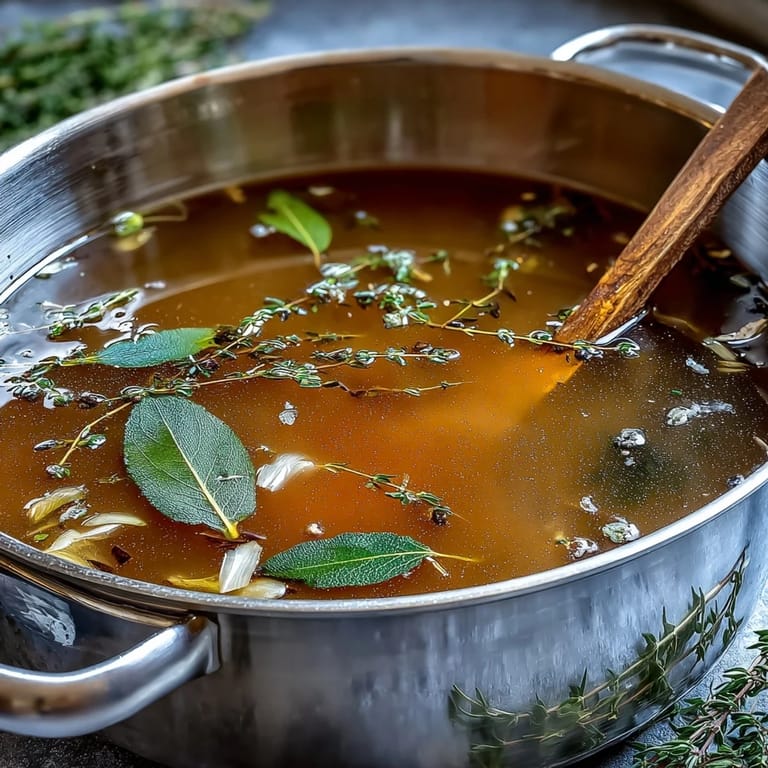
- Strain through a fine-mesh sieve, pressing gently on the solids to extract every drop of goodness. Let it cool before refrigerating for up to 5 days or freezing for months of instant flavor.
 Pin it
 One particularly cold evening, my sister stopped by unexpectedly just as I was straining a fresh batch. She looked exhausted from work, so I poured her a simple mug of the hot broth with nothing added. We sat in comfortable silence, steam rising between us, and I watched the tension leave her shoulders with each sip. No fancy meal could have provided what that moment of simplicity did.
Flavor Variations
Some of my most successful batches have included a handful of dried mushroom stems that were too woody to use otherwise. They contribute an earthy depth that transforms a basic vegetable broth into something with remarkable umami character. After discovering this trick during a particularly creative cooking session, I started keeping a small jar of dried mushroom pieces specifically for broth-making days.
Seasonal Adaptations
Summer broths made with tomato ends and corn cobs have a sweet lightness perfect for cold soups, while winter versions with more root vegetable scraps develop a hearty richness that stands up to robust stews. The seasons write themselves into your cooking through these scraps, telling the story of what grew when and how you prepared it, creating a beautiful culinary calendar in your kitchen.
Zero-Waste Kitchen Practices
This broth sparked my journey toward a more mindful kitchen, where nothing useful goes to waste and every scrap has potential. Now I keep separate containers for broth scraps, composting, and even citrus peels for homemade cleaning solutions. My grocery bill has noticeably decreased since implementing these practices.
- Freeze broth in ice cube trays for small portions perfect for deglazing pans or adding quick flavor to sauces.
- Label your frozen broth with the dominant vegetables used to match flavors appropriately in future recipes.
- The strained vegetables can still go into compost after broth-making, completing their journey from food to flavor to fertilizer.
 Pin it
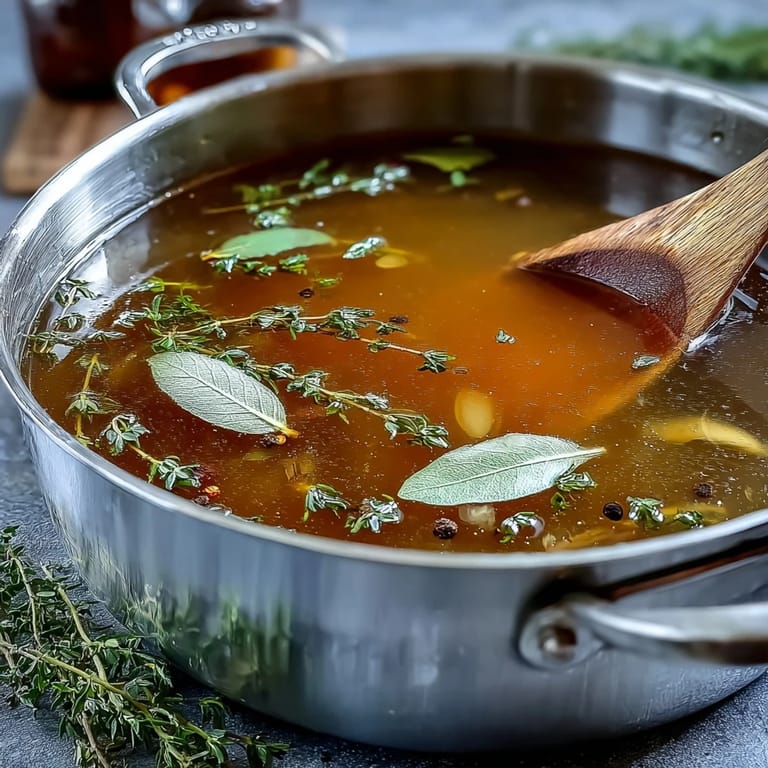
 This humble broth reminds me that good cooking isnt always about what we buy, but what we notice, save, and transform. Its become my favorite kind of kitchen alchemy – turning the overlooked into the essential.
Recipe FAQs
- → What vegetable scraps work best?
Carrot peels, onion skins, celery ends, leek tops, mushroom stems, parsley stems, and garlic skins create a balanced flavor. Avoid potato peels, brassicas like broccoli and cabbage, and overly starchy vegetables, as they can cause bitterness or cloudiness.
- → How long does this broth keep?
Store in airtight containers in the refrigerator for up to 5 days, or freeze for up to 3 months. Let cool completely before refrigerating, and leave space at the top of containers if freezing to allow for expansion.
- → Can I use frozen vegetable scraps?
Absolutely. Collect scraps in a freezer bag over time, adding trimmings as you cook. When the bag is full, simply thaw and proceed with the simmering method. This actually helps develop deeper flavor.
- → Should I add salt to the broth?
Adding salt is optional and depends on intended use. If planning to reduce the broth further or use in seasoned dishes, keep it unsalted or lightly seasoned. For sipping, add salt to taste during the final simmer.
- → What can I use this broth for?
Use as a base for soups, stews, and sauces. Add depth to risottos, cook grains like quinoa or rice, braise vegetables, or enjoy warm as a nourishing drink. It's a versatile foundation for countless dishes.
- → How can I make the broth richer?
Roast the vegetable scraps at 200°C (400°F) for 20 minutes before simmering. This caramelizes natural sugars and deepens flavor. Adding a piece of kombu seaweed or dried mushroom also enhances umami notes.