 Pin it
 My neighbor Layla once showed up at my door with a wooden board piled high with olives, cheese, and warm bread still wrapped in a kitchen towel. She said nothing feeds a crowd like food you can pick at with your hands. That afternoon, we sat on my back porch tearing pita and scooping hummus while the sun dropped low, and I realized how much a platter like this turns eating into an event. It wasn't fancy, just honest and abundant, the kind of spread that makes people linger.
I started making this platter for book club nights when I got tired of fussing over hot appetizers that cooled too fast. The first time I set it out, one friend asked if I'd ordered it from a restaurant. I laughed and told her it took less time than waiting for delivery. Now it's my go-to whenever I want to feed people without missing the conversation, and it never fails to disappear before the night ends.
Ingredients
- Chickpeas: The base of creamy hummus, they blend best when slightly warm and their skins slip off easily if you have the patience.
- Tahini: This sesame paste adds nutty richness, but stir the jar well since the oil separates and settles on top.
- Lemon juice: Fresh is non-negotiable here, it brightens the hummus in a way bottled juice never will.
- Olive oil: Use your good stuff for drizzling, it sits on top and gets tasted first.
- Garlic: One small clove is plenty, raw garlic grows stronger as it sits so go easy.
- Cumin: A half teaspoon brings warmth without overpowering, it's the background hum you taste but can't name.
- Cherry tomatoes: Halved so their juices mingle with the olive oil on the board, they add bursts of sweetness.
- Cucumber: Crisp and hydrating, it's the cooling counterpoint to briny olives and salty cheese.
- Bell pepper: Red ones are sweeter and prettier, their crunch holds up even after sitting out awhile.
- Carrot sticks: They add color and a sturdy vehicle for scooping when the pita runs out.
- Mixed olives: Green and Kalamata together give you variety, some fruity and some deeply savory.
- Feta cheese: Tangy and crumbly, it melts slightly on your tongue and plays well with every other element.
- Pita bread: Warmed briefly, it turns soft and pliable, perfect for tearing and folding around bites.
- Parsley: A handful of fresh green cuts through the richness and makes the whole platter look alive.
- Sumac: This tart, lemony spice sprinkled on hummus adds a pop of color and a gentle sour note.
Tired of Takeout? 🥡
Get 10 meals you can make faster than delivery arrives. Seriously.
One email. No spam. Unsubscribe anytime.
Instructions
- Blend the hummus:
- Toss chickpeas, tahini, lemon juice, olive oil, garlic, cumin, and salt into the food processor and let it run until the mixture turns silky. Drizzle in cold water slowly, a tablespoon at a time, until it reaches that cloud-like texture you can swipe with pita.
- Dress the hummus:
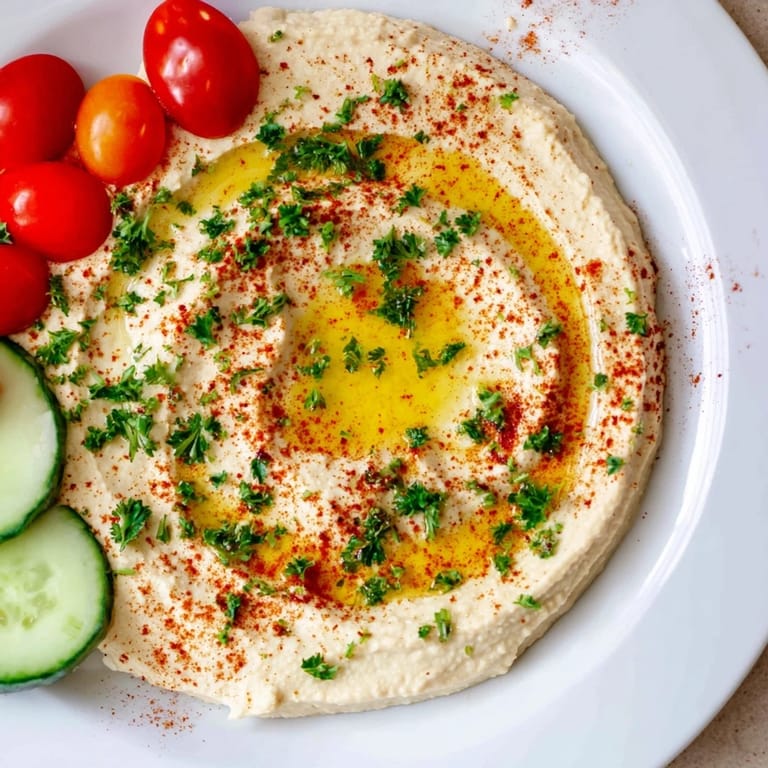
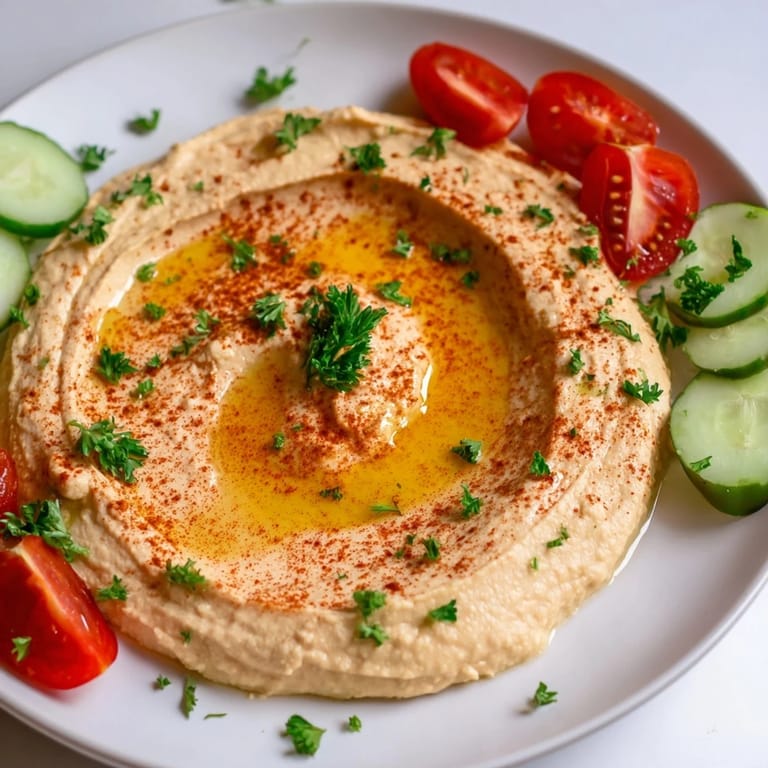
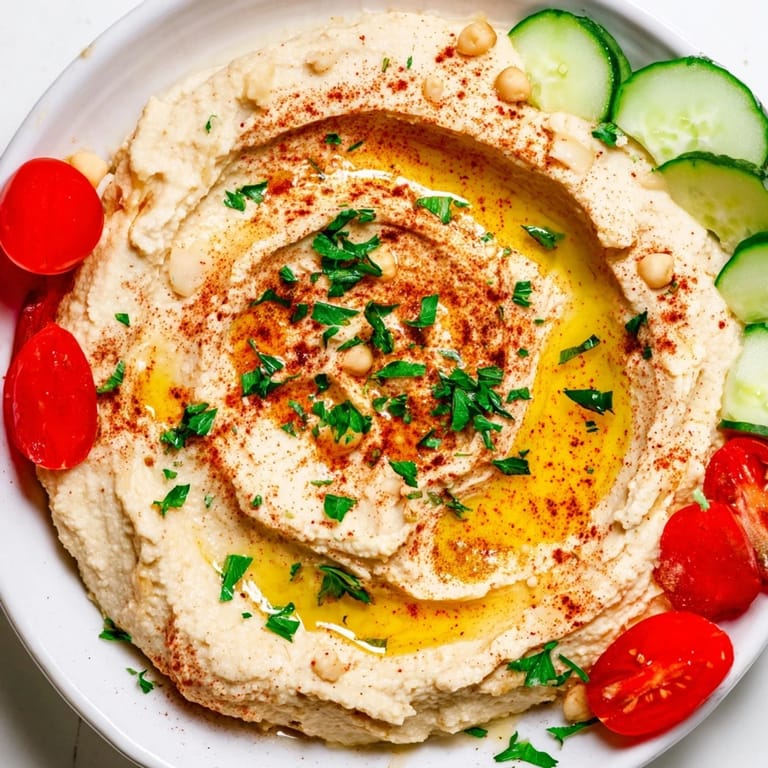
- Spoon it into a shallow bowl or spread it directly on your serving platter, then drizzle olive oil in a slow circle and dust with sumac or paprika. The oil pools in the valleys and catches the light, making it look as good as it tastes.
- Arrange the vegetables and extras:
- Scatter the tomatoes, cucumber, bell pepper, carrots, olives, and feta around the hummus in little clusters, leaving gaps so everything has breathing room. Think of it like a colorful map with different neighborhoods of flavor.
- Warm and add the pita:
- Heat the pita in a dry skillet or wrap it in foil and pop it in a low oven for a few minutes, then cut into triangles and tuck them along the edges of the platter. Warm bread is always worth the extra minute.
- Finish and serve:
- Sprinkle chopped parsley over everything and tuck lemon wedges into open spots. Set it on the table and step back, it's ready to be devoured.
 Pin it
 One summer evening, I made this platter for a birthday dinner on my tiny balcony, and we ended up sitting outside until past midnight, tearing bread and laughing under string lights. The food was long gone but the board stayed on the table like proof of something good. That's when I understood why mezze matters, it's not just about eating, it's about lingering together without rush.
How to Make It Look Stunning
Use a large wooden board or wide ceramic platter so everything has room to spread out without crowding. Start with the hummus as your anchor, then build around it in loose, organic clusters rather than rigid lines. Vary the heights by stacking some cheese cubes or letting pita triangles lean against the bowl, it adds dimension and makes the whole thing feel more abundant.
What to Do with Leftovers
Store the hummus in an airtight container with a thin layer of olive oil on top to keep it from drying out, it'll keep for five days. The vegetables stay crisp if you pack them separately, and leftover pita can be toasted into chips the next day. I often spoon leftover hummus into a wrap with the vegetables and feta for a quick lunch that tastes even better than the original spread.
Ways to Make It Your Own
If you want more protein, add falafel, grilled halloumi, or hard-boiled eggs tucked between the vegetables. Swap the feta for creamy labneh or tangy goat cheese if that's what you have. For a heartier version, include warm stuffed grape leaves or a small bowl of tabbouleh on the side.
- Roasted red peppers folded into the hummus add smoky sweetness.
- A drizzle of pomegranate molasses over the feta brings tart complexity.
- Serve with mint tea or a crisp white wine that won't compete with the bold flavors.
 Pin it
 This platter has saved me more times than I can count, from last-minute guests to nights when I just wanted something beautiful without the stress. Set it out, step back, and watch people gather around it like it's the best thing you've ever made.
Recipe FAQs
- → Can I make hummus ahead of time?
Yes, hummus can be made up to 3 days in advance. Store it in an airtight container in the refrigerator. Before serving, bring to room temperature and refresh with a drizzle of olive oil. The other components can be prepared a few hours ahead and arranged on the platter just before serving.
- → What's the best way to warm pita bread?
Wrap pita breads in aluminum foil and warm in a 350°F (175°C) oven for 5-10 minutes. Alternatively, place them directly over a gas flame for a few seconds per side for a charred effect, or use a skillet over medium heat for 1-2 minutes per side. Warming makes them more pliable for dipping and serving.
- → Can I customize the vegetables on the platter?
Absolutely! Use whatever fresh vegetables you have on hand. Great additions include radishes, celery, green onions, roasted red peppers, artichoke hearts, or cucumber rounds. Choose a colorful mix to make the platter visually appealing and offer variety to your guests.
- → What cheese alternatives work if I don't have feta?
Labneh, goat cheese, halloumi, or even ricotta salata are excellent substitutes for feta. Each brings its own texture and flavor profile. Labneh is particularly authentic to Middle Eastern cuisine. Choose based on your preference for creaminess or firmness.
- → How do I make this more substantial for a main course?
Add roasted or fried falafel, stuffed grape leaves (dolmas), tabbouleh salad, baba ganoush, or muhammara to transform the platter into a fuller meal. Including these items creates a more complete dining experience while maintaining the authentic Mediterranean and Middle Eastern flavors.
- → Is this platter suitable for dietary restrictions?
The platter is naturally vegetarian and can be made vegan by omitting the feta cheese. For gluten-free diets, substitute regular pita with gluten-free pita or serve with gluten-free crackers instead. Always check tahini labels for potential cross-contamination with allergens.