 Pin it
 My neighbor showed up at my door one afternoon with a bottle of Limoncello and a knowing smile, insisting I had to try her family's pound cake recipe. She stayed in my kitchen while I baked, sharing stories about summer visits to the Amalfi Coast and how this cake became her way of bringing that sunshine back home. The smell alone—bright citrus mingling with buttery warmth—made me understand immediately why she'd been so adamant. Now whenever I bake this, I think of that afternoon and how a simple cake became a tiny portal to somewhere beautiful.
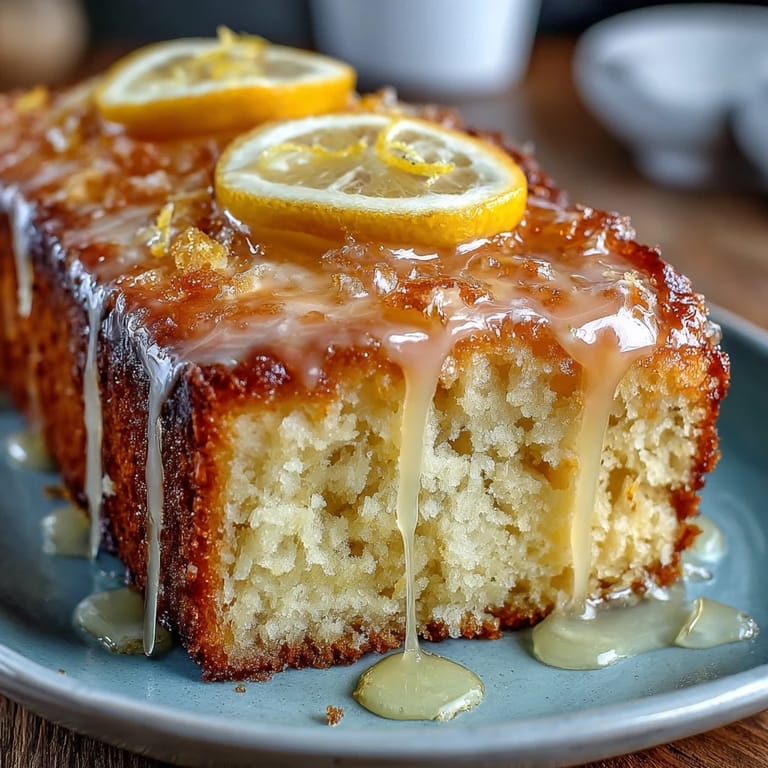
I made this for my sister's book club, worried it might be too simple among all the elaborate desserts everyone brings. Instead, it disappeared first, and three people asked for the recipe before they'd even finished their slices. What surprised me most was how the glaze made it feel elevated—that final drizzle transformed a homey cake into something that looked like it came from a bakery.
Ingredients
- Unsalted butter, softened (1 cup/225 g): This is your foundation—softened butter creams better with sugar, creating that light, fluffy crumb that makes pound cake special rather than dense.
- Granulated sugar (2 cups/400 g): Don't skimp here; it's what gives the cake its tender structure and helps the batter rise evenly.
- Large eggs, room temperature (4): Cold eggs won't incorporate smoothly, which means you'll end up with a tighter crumb—let them sit out for 20 minutes before you start.
- Limoncello liqueur (1/4 cup/60 ml): This is where the magic happens; the alcohol burns off during baking, leaving behind this sophisticated citrus complexity that regular lemon juice can't quite achieve.
- Whole milk, room temperature (1/4 cup/60 ml): Room temperature matters because cold milk will shock the batter and affect the texture.
- Freshly grated lemon zest (2 tbsp from about 2 lemons): Use a microplane zester if you have one—it captures those precious oils without the bitter white pith underneath.
- Fresh lemon juice (1/4 cup/60 ml): Bottled juice works in a pinch, but fresh makes a noticeable difference in brightness.
- All-purpose flour (2 1/2 cups/315 g): Measure by spooning into your measuring cup and leveling off, not by scooping directly from the bag—that packs it and throws off your proportions.
- Baking powder (1 1/2 tsp): This is what gives the cake its lift; make sure it's fresh or your cake will be flatter than expected.
- Salt (1/2 tsp): A small amount that amplifies the lemon flavor—don't skip it.
- Powdered sugar, sifted (1 cup/120 g): Sifting removes lumps that would make the glaze grainy.
- Limoncello liqueur for glaze (1 tbsp): A tiny amount that finishes the glaze with that signature flavor.
Tired of Takeout? 🥡
Get 10 meals you can make faster than delivery arrives. Seriously.
One email. No spam. Unsubscribe anytime.
Instructions
- Get your mise en place ready:
- Preheat the oven to 350°F (175°C) and grease and flour your loaf pan or bundt thoroughly—even the corners matter. Having all your ingredients measured and sitting on the counter takes the stress out of mixing and helps you catch any forgotten items before you're mid-batter.
- Cream the butter and sugar:
- Beat them together in a large bowl for 3 to 4 minutes until it looks pale, fluffy, and almost mousse-like. This step is what creates those tiny air pockets that make the cake tender, so don't rush it.
- Add the eggs one at a time:
- After each egg, make sure it's fully incorporated before adding the next one—this prevents the batter from looking curdled or separated. If it does look broken, a touch of flour helps bring it back together.
- Mix in the zest, Limoncello, juice, and milk:
- Stir these in gently until everything looks combined—you'll notice the batter becoming slightly looser. The lemon zest should be evenly distributed, which is why you want to drop the zest in first before the liquids.
- Combine your dry ingredients separately:
- Whisk together the flour, baking powder, and salt in another bowl, breaking up any clumps in the baking powder. This mixing ensures everything is evenly distributed before you add it to the wet mixture.
- Fold everything together carefully:
- Add the dry mixture to the wet mixture gradually, stirring just until you don't see streaks of flour anymore. Overmixing toughens pound cake, so be gentle and stop as soon as things come together.
- Pour and smooth:
- Transfer the batter to your prepared pan and use a spatula to smooth the top gently—an even surface helps the cake bake uniformly.
- Bake until golden:
- After 50 to 55 minutes, insert a toothpick into the center; it should come out clean or with just a few crumbs. The edges should pull slightly away from the pan, and the top should be deep golden brown.
- Cool with patience:
- Leave it in the pan for 15 minutes—this lets the structure set—then turn it out onto a wire rack to cool completely. Glazing a warm cake melts it into the crumb, which is nice, but a completely cool cake gives you more control over the glaze's appearance.
- Make and apply the glaze:
- Whisk the sifted powdered sugar with lemon juice and Limoncello until it's smooth and pourable, like thick cream. Drizzle it slowly over the cooled cake, letting it pool naturally in the crevices, then finish with a tiny scatter of fresh lemon zest if you want extra visual polish.
 Pin it
 My mom took one bite and asked if I'd bought it from a bakery, which is when I realized this cake had crossed from being a weekend project into something I'd want to make regularly. There's something about feeding people something you made yourself that tastes like a small act of love, and this cake delivers that feeling every time.
Why This Cake Works
Pound cake's simplicity is deceptive—it's built on the exact balance of butter, sugar, eggs, and flour, which is why even a small change in technique shows up in the final bite. Adding Limoncello instead of relying solely on lemon juice gives the cake a sophisticated depth that regular lemon pound cake doesn't have. The liqueur brings this subtle warmth and complexity that makes people pause mid-bite wondering what makes it taste so special.
Serving Suggestions That Actually Work
Sliced thick with strong coffee for breakfast is my favorite way to eat it, but it's equally lovely at room temperature with a small dollop of whipped cream and fresh berries for a more formal dessert. I've also served it toasted with salted butter the next day, which transforms it into something almost entirely different—the heat brings out the subtle alcohol notes and makes the crumb even more tender.
Storage and Make-Ahead Tips
This cake improves after a day, which makes it perfect for baking ahead of gatherings—the flavors deepen and the texture becomes even more moist as it sits. Keep it wrapped tightly in plastic wrap at room temperature for up to four days, or freeze it for a month before glazing if you want to make it even further in advance.
- Wrapped and frozen, the unglazed cake keeps for up to a month, letting you glaze it fresh whenever you need dessert on hand.
- Don't refrigerate it unless your kitchen is extremely warm—the cold dries it out faster than room temperature storage does.
- If you do glaze it ahead, let it set completely before wrapping so the glaze doesn't stick to the plastic.
 Pin it
 There's something about this cake that makes people come back for seconds, and honestly, it might be the one dessert that works equally well at a summer picnic or a winter dinner party. Make it when you want to feel like you're baking something impressive but without the stress.
Recipe FAQs
- → How does Limoncello impact the cake's flavor?
Limoncello adds a subtle, sweet citrus note that enhances the lemon zest and juice, creating a richer, more complex flavor profile.
- → Can I substitute Limoncello with another ingredient?
Yes, substituting Limoncello with additional fresh lemon juice provides a similar citrus tang but lacks the liqueur's sweetness and depth.
- → What is the purpose of creaming butter and sugar?
Creaming incorporates air into the mixture, resulting in a lighter, fluffier texture in the final cake.
- → How do I know when the cake is fully baked?
Insert a toothpick into the center; if it comes out clean or with a few moist crumbs, the cake is done baking.
- → What variations can enhance the cake's texture?
Replacing half the all-purpose flour with cake flour can yield a lighter, tender crumb for a softer texture.
- → Is the lemon glaze necessary?
The glaze adds a bright, tangy sweetness that complements the pound cake’s richness and accentuates the lemon flavors.