 Pin it
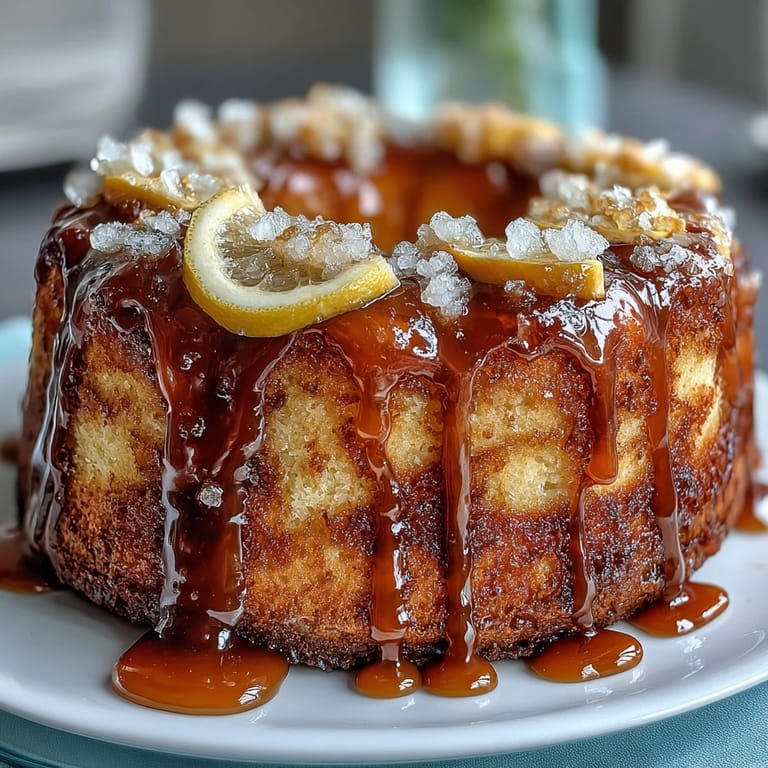
 There's something about the smell of lemon zest hitting a warm kitchen that makes everything feel a bit lighter. I stumbled onto this loaf cake during a particularly dreary March afternoon when I needed something bright to shake off the mood, and it became my go-to whenever I wanted cake that didn't feel heavy or fussy. The beauty of it is how the warm glaze soaks into the still-hot cake, creating those little pockets of tangy sweetness that catch you by surprise with each bite.
I made this for my colleague Sarah's birthday, and she ate two slices before realizing it wasn't store-bought. That moment when someone looks up in surprise and asks if you actually made it yourself—that's when you know a recipe is worth keeping around. She's requested it for every celebration since, which is both a compliment and a gentle obligation I'm happy to accept.
Ingredients
- Unsalted butter, softened (200 g): Use real butter, not margarine, and let it sit at room temperature for at least an hour so it creams properly and incorporates air.
- Caster sugar (200 g): The fine crystals dissolve beautifully into the butter, creating that pale, fluffy base that makes everything work.
- Large eggs, room temperature (3): Cold eggs resist mixing in and can cause the batter to split, so take them out of the fridge while you're prepping everything else.
- Lemon zest, finely grated (1 tbsp from 2 lemons): Grate it fresh right before mixing; pre-zested loses its oils and punch within hours.
- Self-raising flour (200 g): This already has baking powder mixed in, which is why you only need a little extra; sift it to aerate and remove any lumps.
- Baking powder (1/2 tsp): The extra lift ensures the cake rises properly and stays light rather than dense.
- Salt (1/4 tsp): A tiny pinch balances the sweetness and actually makes the lemon flavor pop more.
- Whole milk (3 tbsp): This loosens the batter slightly so it's not too thick, and the liquid helps the cake stay moist as it cools.
- Freshly squeezed lemon juice (2 tbsp in the cake, 3 tbsp for the glaze): Never use bottled juice; the fresh stuff has a brightness that completely changes the flavor profile.
- Icing sugar for the glaze (80 g): Sift this before mixing with lemon juice to avoid lumps in your drizzle.
Tired of Takeout? 🥡
Get 10 meals you can make faster than delivery arrives. Seriously.
One email. No spam. Unsubscribe anytime.
Instructions
- Heat your oven and prepare the tin:
- Set your oven to 180°C (350°F) and give it a few minutes to reach temperature. Grease a 900g loaf tin thoroughly with butter or cooking spray, then line it with baking parchment, leaving some overhang on the sides so you can lift the cake out later.
- Cream the butter and sugar:
- In a large bowl, beat the softened butter and caster sugar together for about 3-4 minutes until it's pale, fluffy, and noticeably lighter in color. This step is crucial because you're incorporating air that helps the cake rise.
- Add the eggs one at a time:
- Crack an egg into the mixture, beat it in completely, then repeat with the second and third. The batter might look slightly curdled after adding each egg, but keep beating and it'll come together.
- Fold in the dry ingredients and lemon:
- Stir in the lemon zest first so it's distributed throughout, then sift the flour, baking powder, and salt over the top and fold gently with a spatula until just combined. Overmixing at this stage makes the cake tough, so stop as soon as you don't see streaks of flour.
- Add the milk and lemon juice:
- Fold these in gently until the batter is smooth and pourable but still thick. The mixture should fall slowly from a lifted spatula, not splash.
- Get the cake into the oven:
- Pour the batter into your prepared tin, smooth the top with a spatula, and slide it into the preheated oven. Set a timer for 45 minutes and don't open the door until at least then.
- Make the glaze while it bakes:
- Sift the icing sugar into a small bowl and whisk in the lemon juice a little at a time until you have a thick, pourable consistency that coats the back of a spoon. You want it thinner than frosting but thicker than milk.
- Test for doneness:
- A skewer inserted into the center should come out clean or with just a few moist crumbs. If the top is browning too quickly, cover it loosely with foil for the last 10 minutes.
- The crucial soaking step:
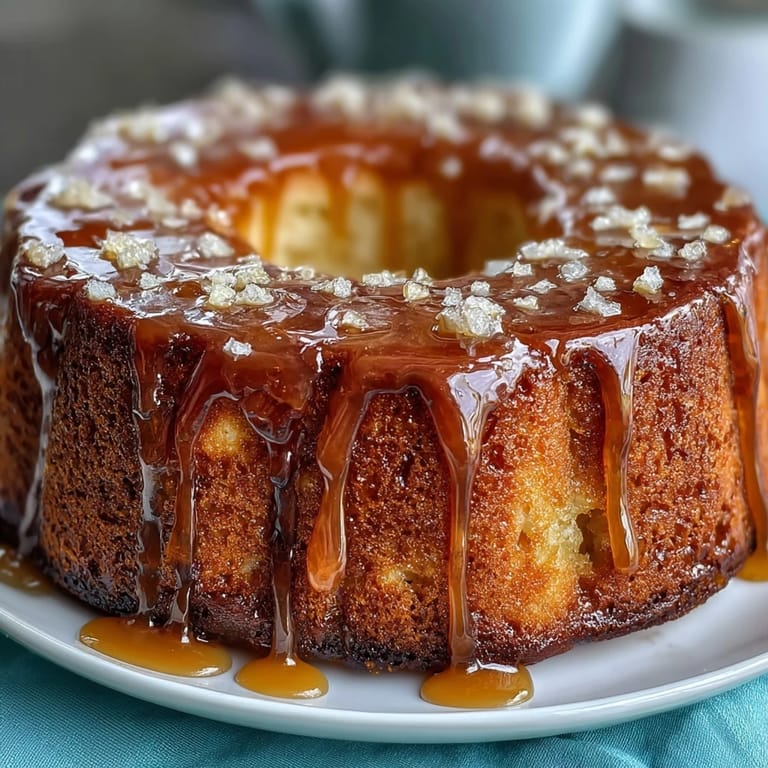
- Remove the cake from the oven and let it cool in the tin for about 10 minutes. While it's still warm, use a skewer to poke holes all over the top surface, then slowly drizzle the lemon glaze over the whole cake. The warm cake absorbs the glaze, intensifying the lemon flavor throughout.
- Final cooling:
- Let the cake cool completely in the tin before turning it out. This usually takes about an hour, but patience here prevents crumbling.
 Pin it
 My neighbor peeked over the fence one afternoon when I was testing variations, and the smell alone convinced her to try a slice. She ended up asking for the recipe, which was the real victory because that's when you know something's actually good.
Why Lemon Works So Well Here
Lemon is one of those flavors that walks a perfect line between bright and sophisticated, which is exactly what this cake needed. The zest brings an almost floral note that lingers on your palate, while the juice adds sharpness that cuts through the sweetness without making it taste sour. I've tried this with lime and orange, and they're nice, but lemon just feels right.
Storage and Keeping
Wrapped well, this cake stays moist and delicious for three or four days at room temperature, which makes it perfect for baking ahead of guests. The glaze actually helps seal moisture in, so don't skip that step for storage purposes either. I've found that individual slices wrapped in parchment keep better than storing the whole cake, probably because there's less surface area exposed to air.
Small Variations That Actually Matter
Once you've made this a couple of times and feel confident, there's room to play around without breaking the recipe. A handful of poppy seeds stirred into the batter adds a subtle nuttiness and interesting texture. For something more grown-up, replace half the lemon juice in the glaze with limoncello or a good quality lemon liqueur, which deepens the flavor beautifully. You could also swap half the caster sugar for honey if you want it slightly softer and more deeply moist, though you might need a touch more flour to compensate.
 Pin it
 This cake has quietly become one of those recipes I make without even thinking about it anymore, which is the highest compliment I can give. It's the kind of thing that turns an ordinary afternoon into something worth remembering.
Recipe FAQs
- → How do I ensure the loaf is moist?
Use softened butter and do not overmix the batter. Incorporating milk also helps maintain moisture during baking.
- → Can I add other flavors to the lemon loaf?
Yes, a handful of poppy seeds adds texture, or substituting part of the lemon juice with limoncello adds an adult twist.
- → What is the best way to apply the lemon glaze?
While the loaf is still warm, poke holes on the surface with a skewer to allow the lemon glaze to soak in deeply.
- → How long should the loaf cool before slicing?
Allow the loaf to cool completely in the tin before turning out and slicing to retain its shape and texture.
- → What equipment is needed for this loaf?
A 900g loaf tin, mixing bowls, an electric mixer or wooden spoon, a fine grater, sieve, spatula, and skewer are essential.