 Pin it
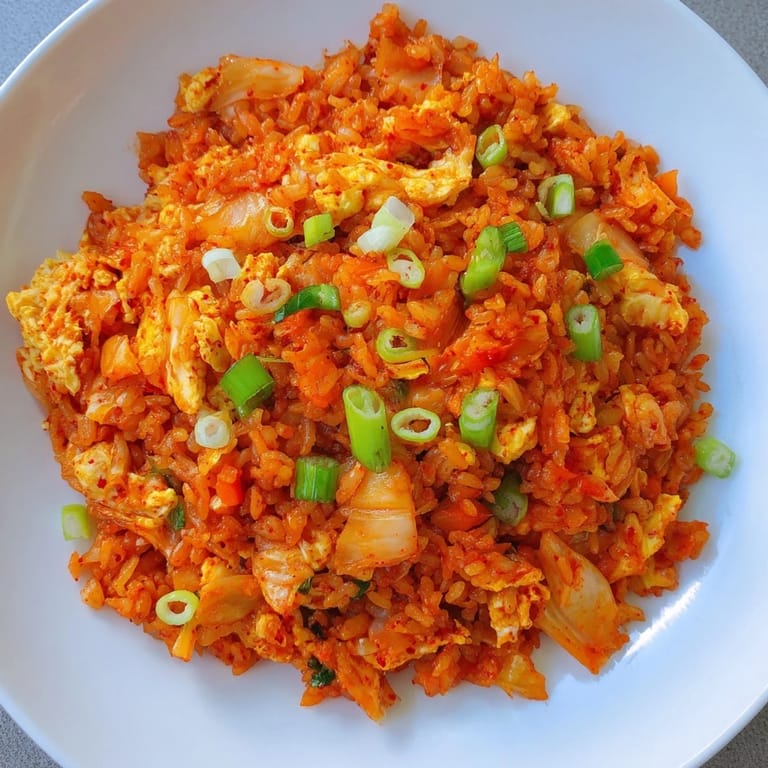
 My roommate used to make this at midnight after long shifts, standing at the stove in socks and an oversized hoodie, the smell of frying kimchi waking me up every time. I'd shuffle into the kitchen, half-annoyed and half-starving, and she'd hand me a bowl without a word. That first bite, tangy and spicy and rich with sesame, made me forget I was supposed to be asleep. Now I make it whenever I need something fast, loud in flavor, and utterly satisfying.
I brought this to a potluck once, worried it would seem too simple next to all the casseroles and roasted chickens. Instead, people kept coming back for seconds, scraping the dish clean and asking for the recipe. One friend said it tasted like the best kind of comfort, the kind that doesn't try too hard. I realized then that bold flavor and honesty in the kitchen often matter more than fuss.
Ingredients
- Cold cooked white rice: Day-old rice is drier and separates beautifully in the pan, preventing mushy clumps and giving you that perfect chewy texture.
- Napa cabbage kimchi: The soul of this dish, bringing tang, funk, and a gentle heat that deepens as it caramelizes, and the juice adds liquid umami.
- Eggs: Scrambled right in the pan, they add richness and little pockets of soft, savory contrast.
- Onion and green onions: The onion offers sweetness and body, while green onions bring brightness and a crisp, fresh bite at the end.
- Carrot: Optional but lovely, adding a hint of sweetness and a pop of color.
- Gochujang: Korean chili paste with fermented soybean depth, it coats every grain of rice in savory, slightly sweet heat.
- Soy sauce: The salty backbone that ties everything together.
- Toasted sesame oil: A few drops at the end fill the kitchen with nutty warmth and make the dish feel complete.
- Vegetable oil: For high-heat frying without burning.
- Sugar: A small pinch balances the acidity of the kimchi and rounds out the flavors.
- Optional additions: Pork belly, Spam, or tofu add heft and protein, while sesame seeds and seaweed bring texture and a final flourish.
Tired of Takeout? 🥡
Get 10 meals you can make faster than delivery arrives. Seriously.
One email. No spam. Unsubscribe anytime.
Instructions
- Sauté the aromatics:
- Heat vegetable oil in a large skillet or wok over medium-high heat, then add onion, white parts of green onion, and carrot, stirring for 2 to 3 minutes until softened and fragrant. The onion should turn translucent and sweet.
- Fry the kimchi:
- Add chopped kimchi and stir-fry for 2 to 3 minutes until it caramelizes slightly at the edges, releasing its tangy, funky aroma. This step deepens the flavor and takes away any raw bite.
- Add the seasonings:
- Stir in gochujang, soy sauce, and sugar if using, mixing well so the paste melts into the kimchi and coats everything evenly. The sauce should turn glossy and fragrant.
- Scramble the eggs:
- Push the mixture to one side of the pan, crack eggs into the empty space, and scramble until just set but still a little soft. They'll finish cooking when you mix everything together.
- Fold in the rice:
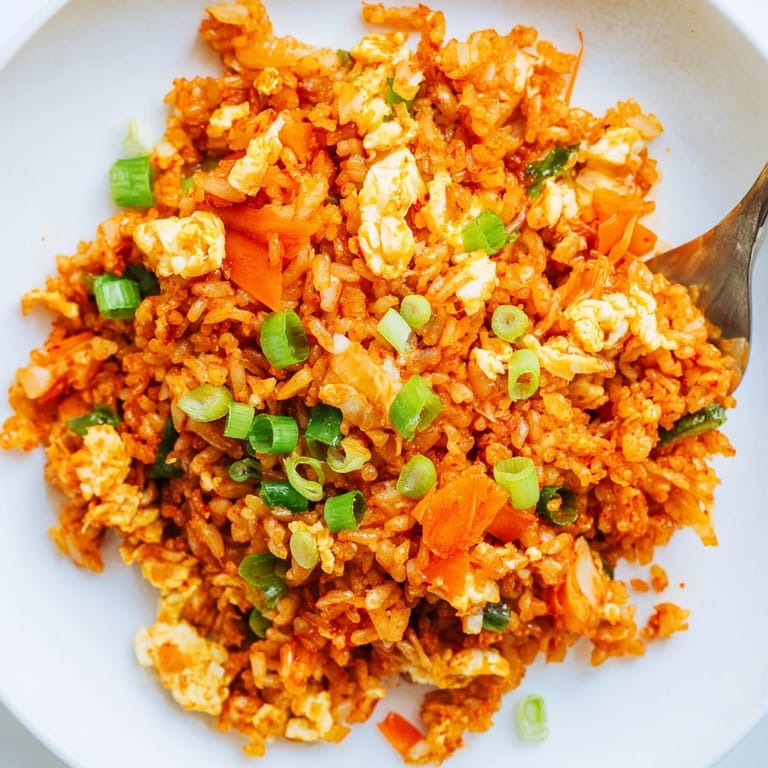
- Add cold rice, breaking up any clumps with your spatula, then pour in kimchi juice and stir-fry for 3 to 4 minutes until every grain is heated through and evenly coated in red. The rice should start to crisp slightly at the bottom if you let it sit for a moment.
- Finish and garnish:
- Drizzle sesame oil over the rice, fold in green parts of green onion and any optional meat or tofu, then taste and adjust seasoning. Serve hot, topped with sesame seeds, extra green onion, and roasted seaweed strips.
 Pin it
 One night I made this for my partner after a terrible day at work, neither of us speaking much, just the sound of the spatula scraping the pan and the hiss of rice hitting hot oil. We ate it straight from the skillet, standing at the counter, and by the time we finished, the tension had lifted. Sometimes food doesn't need to fix anything, it just needs to be there, warm and honest and exactly what you need.
How to Store and Reheat
Store leftovers in an airtight container in the fridge for up to three days, though the texture is always best when it's freshly made. Reheat in a skillet over medium heat with a splash of water or oil to bring back some moisture and crispness. The microwave works in a pinch, but the rice can turn a little rubbery, so a hot pan is worth the extra minute.
Variations to Try
Swap white rice for short-grain brown rice for a nuttier, chewier version, or use cauliflower rice if you want something lighter and lower in carbs. Add diced zucchini, mushrooms, or spinach for extra vegetables, or stir in a spoonful of gochugaru for more heat without the sweetness of gochujang. For a vegan version, leave out the eggs and add crumbled firm tofu, pressing it first so it crisps up nicely in the pan.
Serving Suggestions
This fried rice is hearty enough to stand alone, but it pairs beautifully with a simple cucumber salad dressed in rice vinegar and sesame oil, or a bowl of miso soup on the side. Serve it with a fried egg on top for extra richness, the runny yolk mixing into the rice like a sauce. A cold Korean lager or a cup of roasted barley tea cuts through the heat and cleanses your palate between bites.
- Top with a fried egg for a luscious, runny yolk that coats every bite.
- Serve alongside pickled radishes or cucumber kimchi for a cool, crunchy contrast.
- Pair with green tea or a light lager to balance the bold, spicy flavors.
 Pin it
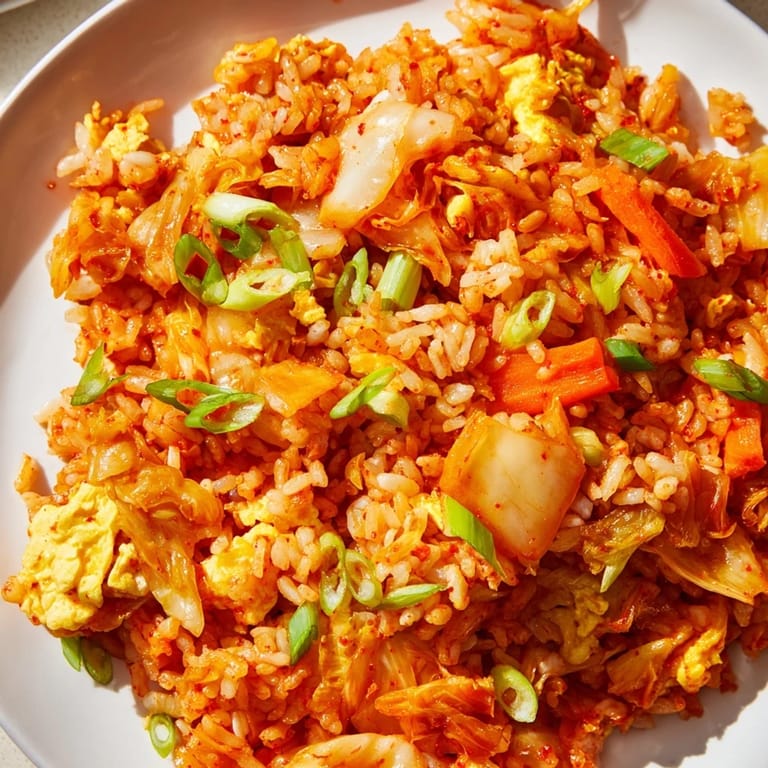
 This dish has become my go-to for nights when I'm too tired to think but still want something that feels alive and full of flavor. I hope it brings you the same kind of easy, no-fuss comfort it's given me, one spicy, savory bite at a time.
Recipe FAQs
- → Can I make this without eggs?
Absolutely. For a vegan version, simply omit the eggs and add firm tofu cubes instead. You'll maintain the protein content and creamy texture that makes this dish satisfying.
- → What type of rice works best?
Day-old white rice is ideal because it's drier and less likely to clump. Cold rice separates easily when stir-fried. Brown rice and cauliflower rice are excellent healthier alternatives.
- → How spicy is this dish?
The heat level depends on your gochujang amount and kimchi spice level. Start with 2 tablespoons gochujang and adjust upward to taste. A teaspoon of sugar helps balance the spice and acidity.
- → Can I prepare ingredients ahead of time?
Yes, chop all vegetables and measure seasonings the night before. Keep rice refrigerated. On cooking day, you'll have everything ready for a quick 25-minute meal.
- → What should I serve alongside this?
Pair with cold Korean lager, green tea, or kimchi jjigae. A simple cucumber salad or steamed vegetables complement the bold kimchi flavors beautifully.
- → Are there gluten-free options?
Some gochujang contains wheat. Look for certified gluten-free gochujang and tamari instead of regular soy sauce. Always check kimchi labels, as some contain fish sauce or shrimp paste.