 Pin it
 My neighbor once handed me a container of this through the fence on a Tuesday evening, steam still rising from the lid. I ate it standing at the counter with a fork straight from the fridge the next morning, cold and unapologetic. That sweet-savory punch of flavor woke me up faster than coffee ever could. By the weekend, I'd tracked down her recipe and made my own version three times in ten days. Sometimes the best recipes come from casual kindness over a chain-link fence.
I started making this on nights when the thought of chopping anything beyond garlic felt like too much. The smell of sesame oil hitting the hot pan became a signal to my family that dinner would be ready soon, no matter how chaotic the day had been. My youngest started requesting it by name, calling it spicy turkey rice, and now it appears on our weekly rotation without fail. It's become the meal that marks the end of long weeks and the beginning of easier evenings. Sometimes a recipe earns its place not by being fancy, but by being exactly what you need when you need it most.
Ingredients
- Soy sauce: The backbone of the sauce, providing deep umami and saltiness; low sodium versions work beautifully if you're watching salt intake, and tamari is a seamless gluten-free swap.
- Cornstarch: This is what gives the sauce that glossy, clingy texture that coats every piece of turkey instead of pooling at the bottom of the pan.
- Brown sugar: Just enough sweetness to balance the salty and spicy elements without making the dish taste sugary; it also helps the sauce caramelize slightly during the final cook.
- Red chili flakes: Start conservatively if you're unsure about heat; you can always add more at the table, but you can't take it back once it's in.
- Sesame oil: Toasted sesame oil brings a nutty richness that's essential to the Korean-inspired flavor profile; don't substitute with neutral oil or you'll lose a key layer of taste.
- Garlic and ginger: Fresh is non-negotiable here; the quick stir-fry releases their aromatics and creates the fragrant base that makes the whole dish sing.
- Ground turkey: Lean, quick-cooking, and surprisingly good at soaking up bold flavors; ground chicken or pork work just as well if that's what you have on hand.
- Chives: They add a mild oniony brightness and a pop of green; green onions are an easy substitute and just as delicious.
- Sesame seeds: Toasting them in a dry pan for a minute or two brings out their nuttiness and adds a gentle crunch to each bite.
Tired of Takeout? 🥡
Get 10 meals you can make faster than delivery arrives. Seriously.
One email. No spam. Unsubscribe anytime.
Instructions
- Make the Sauce:
- Whisk together soy sauce, cornstarch, brown sugar, and red chili flakes in a small bowl until smooth and no lumps remain. Set it within arm's reach because once the turkey is cooked, things move quickly.
- Bloom the Aromatics:
- Heat your skillet over medium-high and add sesame oil; when it shimmers, toss in garlic and ginger, stirring constantly for about 30 seconds until the kitchen smells incredible and the rawness has cooked off.
- Cook the Turkey:
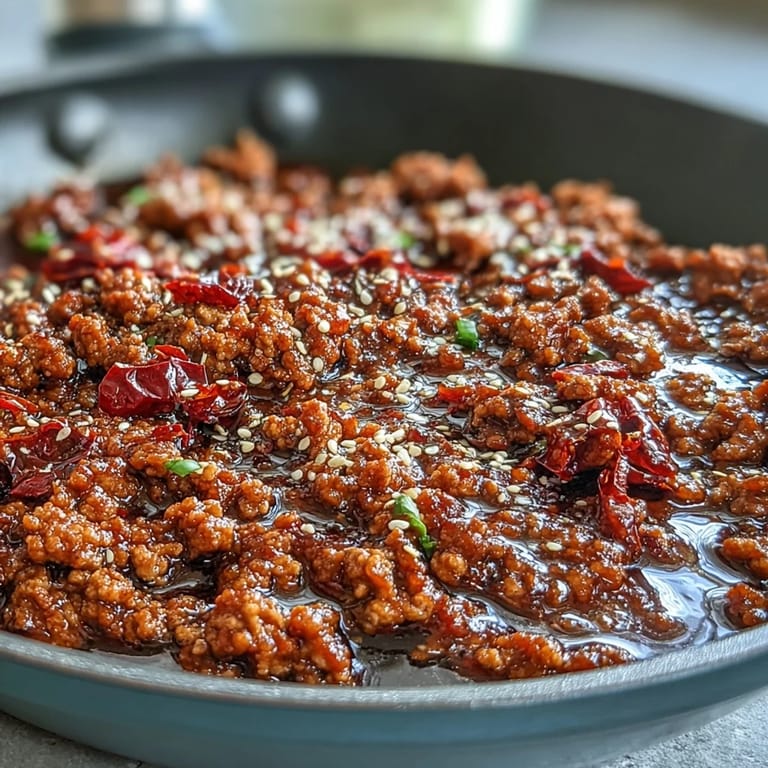
- Add ground turkey and break it apart with your spatula, stirring occasionally until no pink remains and it's lightly browned, about 5 to 7 minutes. Don't worry if it looks a little dry at this stage; the sauce will fix that.
- Glaze and Thicken:
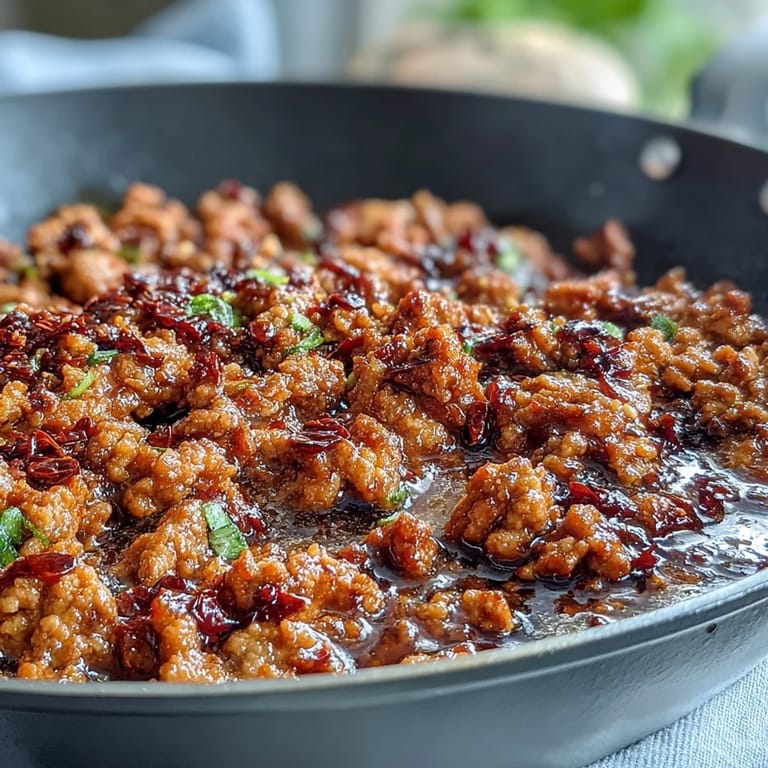
- Pour the sauce over the cooked turkey and stir well to coat every piece; let it bubble on high heat for 2 to 3 minutes until it thickens and turns glossy. If it gets too thick or starts to stick, add a tablespoon of water and stir.
- Finish and Garnish:
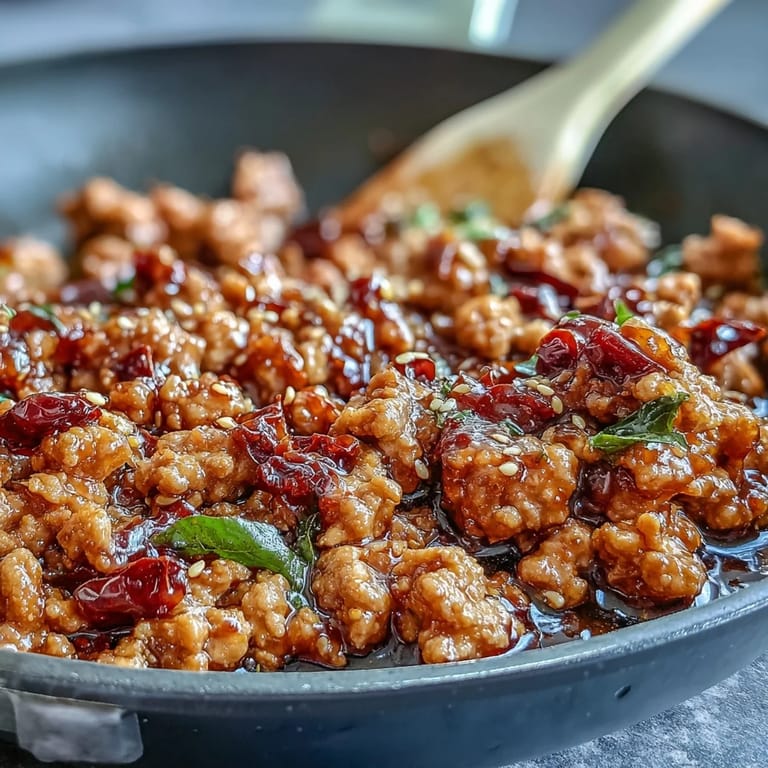
- Stir in most of the chopped chives, saving a small handful for the top; remove from heat, sprinkle with toasted sesame seeds and remaining chives, and serve immediately over rice.
 Pin it
 One night I made a double batch and brought half to a friend who'd just had a baby. She texted me two days later asking for the recipe, saying it was the first thing she'd eaten that didn't taste like obligation. That's when I realized this dish had become more than just a quick dinner; it was the thing I reached for when I wanted to feed someone I cared about without making a big production out of it. Food doesn't have to be complicated to feel like love.
Serving Suggestions
I almost always serve this over a big mound of steamed jasmine rice, the kind that soaks up every drop of sauce and turns each forkful into something cohesive and satisfying. Roasted broccoli or sautéed spinach on the side adds color and a little bitterness that cuts through the richness. On nights when I want something lighter, I'll skip the rice and pile it over shredded cabbage or cauliflower rice with a squeeze of lime. A cold glass of barley tea or a crisp, slightly off-dry Riesling rounds out the meal without competing with the bold flavors.
Storage and Reheating
Leftovers keep in an airtight container in the fridge for up to four days and somehow taste even better the second day once the flavors have had time to marry. I reheat individual portions in the microwave with a damp paper towel over the top to keep the turkey from drying out, or warm it gently in a skillet with a splash of water. It also freezes well for up to three months; just thaw it overnight in the fridge and reheat as usual. I've even eaten it cold, straight from the container, and it still delivers that punchy, satisfying flavor.
Variations and Swaps
If you want more heat, stir in a spoonful of gochujang along with the sauce for a deeper, fermented spice that feels more authentically Korean. Ground chicken or pork work just as well as turkey, and I've even used crumbled tempeh when cooking for vegetarian friends with great results. For a low-carb version, serve it in lettuce cups with shredded carrots and cucumber for crunch. You can also toss in frozen peas, diced bell peppers, or snap peas during the last few minutes of cooking for extra vegetables without much effort.
- Add a drizzle of rice vinegar at the end for a bright, tangy finish that balances the sweetness.
- Top with a fried egg for extra richness and turn it into a full meal that feels indulgent.
- Use coconut aminos instead of soy sauce for a soy-free version that still brings plenty of umami to the table.
 Pin it
 This is the kind of recipe that doesn't demand much from you but gives back generously every single time. Keep the ingredients stocked and you'll always have a reliable answer to the weeknight dinner question.
Recipe FAQs
- → Can I use ground chicken or pork instead of turkey?
Yes, ground chicken or pork work excellently as substitutes. Adjust cooking time slightly to ensure the meat is fully cooked through.
- → How can I make this dish spicier?
Increase the red chili flakes to 1 teaspoon or add a drizzle of Korean gochujang paste during the final minutes of cooking for extra heat and depth.
- → Is this dish gluten-free?
Use certified gluten-free soy sauce or tamari to make this gluten-free. All other ingredients are naturally gluten-free.
- → What vegetables pair well with this dish?
Steamed broccoli, sautéed spinach, carrots, or bok choy complement the bold flavors. Serve everything over white or brown rice.
- → How long does this keep in the refrigerator?
Store cooled turkey mixture in an airtight container for up to 4 days. Reheat gently with a splash of water to refresh the sauce.
- → Can I freeze this Korean ground turkey?
Yes, freeze in portions for up to 3 months. Thaw overnight in the refrigerator and reheat on the stovetetop with a tablespoon of water.