 Pin it
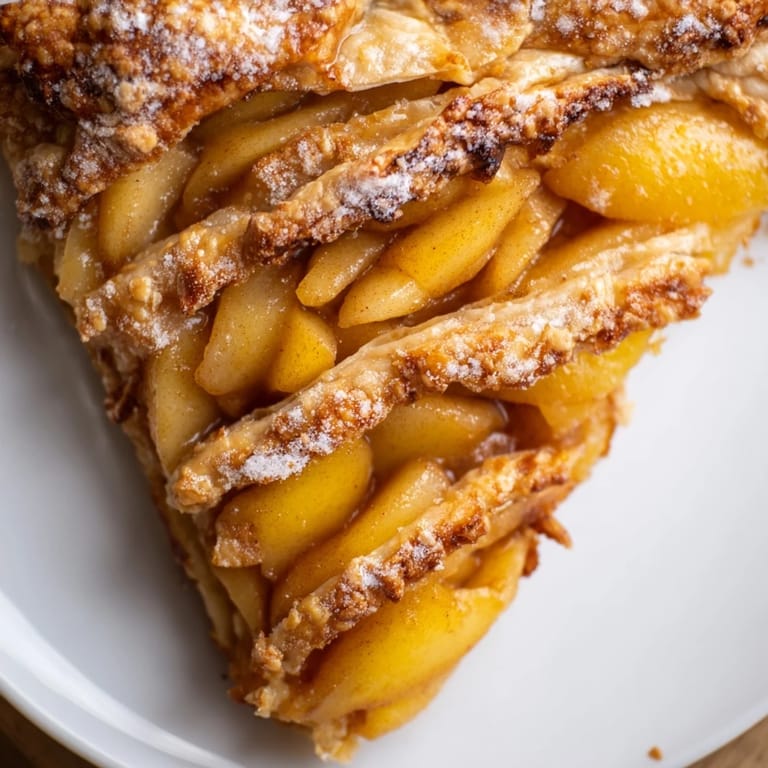
 I pulled this galette out of the oven on a Tuesday night when I had four pears about to turn and no plan for dinner guests the next evening. The kitchen smelled like butter and caramelized sugar, and I realized I'd been overcomplicating dessert for years. There's something about a galette that forgives you: the edges fold however they want, the fruit bubbles over, and it still looks like you meant it. That night I ate a wedge standing at the counter, still warm, and decided this was going into permanent rotation.
The first time I brought this to a potluck, someone asked if I'd trained in pastry. I hadn't, I'd just learned that cold butter and a light hand were worth more than precision. My friend Sarah ate two slices and texted me the next morning asking for the recipe. Now she makes it every fall when pears show up at the farmers market, and we've both stopped apologizing for the rustic look.
Ingredients
- All-purpose flour: The foundation of the pastry, and using cold butter with it creates those flaky layers you can see when you break off a piece.
- Unsalted butter: Must be cold and cubed so it stays solid until it hits the oven, which is what makes the crust shatter when you bite into it.
- Ice water: Add just enough to bring the dough together, too much and it gets tough, which I learned after my first gummy attempt.
- Ripe pears: They should give slightly when you press them, firm pears won't soften enough and mushy ones turn to pudding.
- Crystallized ginger: This is where the galette gets its backbone, finely chopped so you get little sparks of heat without overwhelming the fruit.
- Light brown sugar: Just enough to coax out the pear juices without making it candy, the molasses adds a deeper warmth than white sugar.
- Lemon juice: Brightens everything and keeps the pears from browning while you roll out the dough.
- Cornstarch: Thickens the filling so it doesn't flood the pastry, I forgot it once and ended up with a soggy bottom.
- Egg wash: Brushing the edges gives you that bakery-style shine and helps the sugar stick.
- Turbinado sugar: Optional but worth it for the crunch, it catches the light and makes the whole thing look intentional.
Tired of Takeout? 🥡
Get 10 meals you can make faster than delivery arrives. Seriously.
One email. No spam. Unsubscribe anytime.
Instructions
- Make the dough:
- Combine flour, sugar, and salt, then work in the cold butter until the mixture looks like wet sand with pea-sized bits. Drizzle in ice water slowly, stopping as soon as it holds together when you press it.
- Chill the dough:
- Shape it into a flat disk, wrap it tightly, and let it rest in the fridge for at least half an hour. This firms up the butter and relaxes the gluten so rolling is easier.
- Prepare the filling:
- Toss the sliced pears with lemon juice first to keep them bright, then add the sugars, spices, crystallized ginger, and cornstarch. The cornstarch will cling to the fruit and soak up the juices as it bakes.
- Roll out the pastry:
- On a floured surface, roll the dough into a rough 12-inch circle, don't stress about perfection. Transfer it to a parchment-lined baking sheet so you're not moving it later.
- Assemble the galette:
- Pile the pear mixture in the center, leaving a two-inch border, then fold the edges up and over in loose pleats. It should look homemade, that's the point.
- Egg wash and sugar:
- Brush the folded edges with beaten egg and sprinkle turbinado sugar over the top. This is what gives you that golden, crispy crust.
- Bake:
- Slide it into a 400-degree oven and bake until the crust is deeply golden and the filling is bubbling, about 35 to 40 minutes. The smell will tell you when it's close.
- Cool and serve:
- Let it cool for at least ten minutes so the filling sets a little. Serve it warm or at room temperature, with whipped cream or ice cream if you're feeling generous.
 Pin it
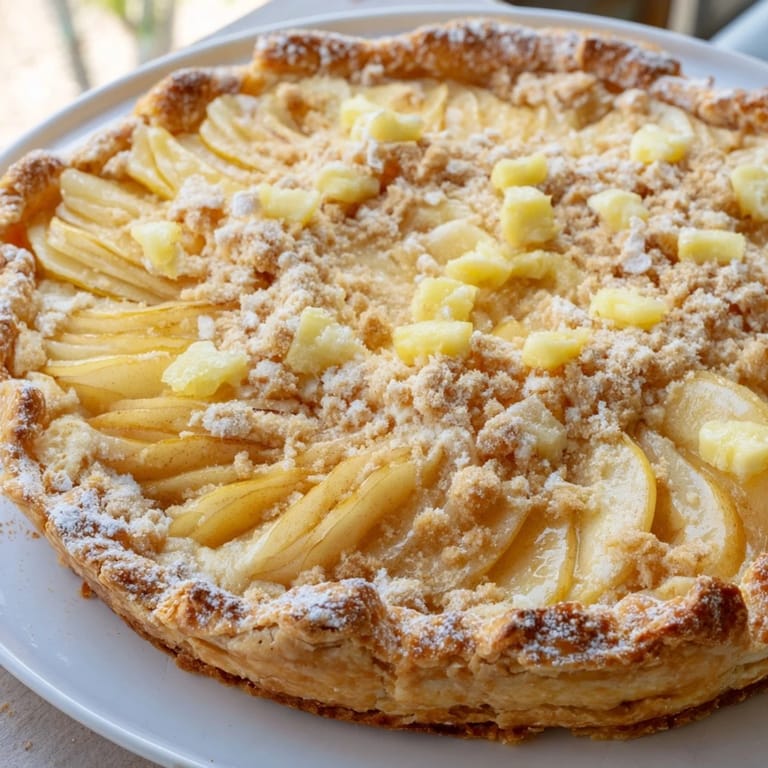
 Last autumn I made this on a Sunday afternoon while my partner raked leaves outside. When he came in, the galette was cooling on the counter and the whole house smelled like a bakery. We sat at the table with two forks and ate half of it before dinner, and I remember thinking that some recipes earn their place not because they're complicated, but because they show up exactly when you need them.
Choosing Your Pears
Bartlett and Bosc both work beautifully here, but I lean toward Bosc because they hold their shape better under heat. If your pears are rock hard, leave them on the counter for a day or two until they smell sweet at the stem. Too ripe and they'll collapse into mush, but just ripe means tender slices with a little bite left in the center.
Making It Your Own
I've swapped in thinly sliced apples when pears weren't in season, and once I added a handful of frozen raspberries which turned the filling a gorgeous pink. A friend of mine grates fresh ginger into the filling for extra punch, and another uses cardamom instead of cinnamon. The galette doesn't care, it adapts to whatever you have and still tastes like you planned it.
Storage and Reheating
This galette is at its best the day you bake it, when the crust is still crisp and the filling hasn't had time to soak in. Leftovers keep in the fridge for up to two days, covered loosely with foil. I reheat slices in a 350-degree oven for about ten minutes to bring back some of the crunch, microwaving turns the pastry soft and sad.
- Let it cool completely before covering or the steam will make the crust soggy.
- You can freeze the unbaked galette and bake it straight from frozen, just add ten extra minutes.
- Serve leftovers at room temperature with coffee for breakfast, no one will judge you.
 Pin it
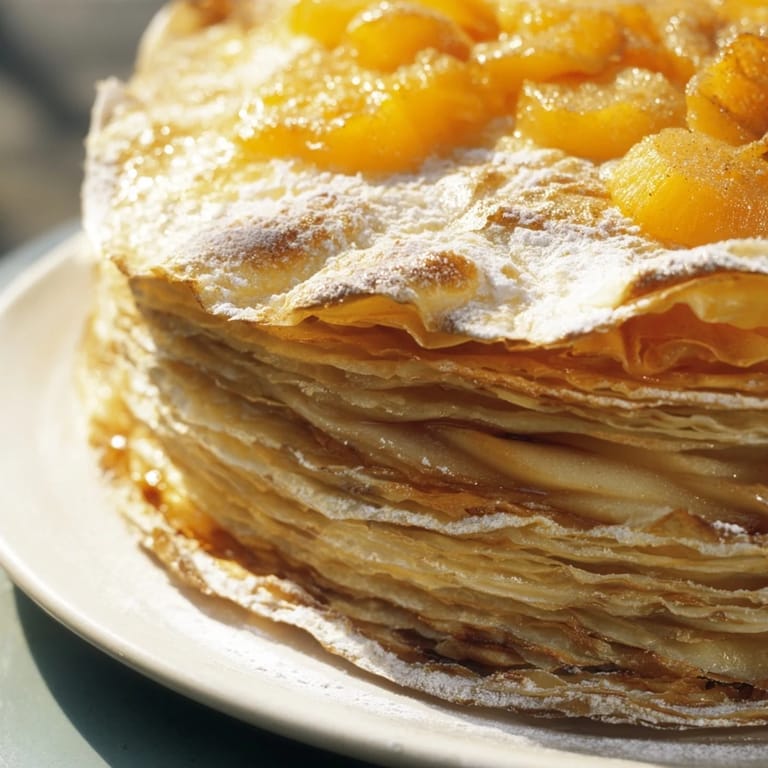
 This galette has become my answer to last-minute dinner invitations and quiet weeknights when I want something sweet without the fuss. It proves that the best recipes are the ones you can make without thinking too hard, the ones that taste like care even when you're just winging it.
Recipe FAQs
- → What type of pears work best for this galette?
Ripe but firm pears like Bartlett or Bosc work well as they hold shape and soften during baking without becoming mushy.
- → Can I prepare the dough ahead of time?
Yes, chilling the dough for at least 30 minutes helps it become easier to roll and results in a flakier crust.
- → How do I prevent the crust from becoming soggy?
Using cornstarch in the filling helps absorb excess moisture from the fruit, keeping the crust crisp during baking.
- → What can I substitute for crystallized ginger?
Freshly grated ginger can be used for a sharper, fresher zing, or ground ginger for milder warmth in the filling.
- → How should leftover galette be stored?
Store leftovers covered in the refrigerator for up to 2 days, then reheat gently before serving for best texture.
- → Can I add other fruits to this galette?
Yes, apples or a handful of berries can complement pears and ginger nicely, adding variation to the flavor.