 Pin it
 The first time I made parsnip and herb soup was during a frosty November evening when the farmers market had bins overflowing with those ivory root vegetables. I remember hesitating, unsure if their sweet earthiness would translate well into soup, but the vendor assured me they'd shine when roasted. The kitchen filled with a caramel-like aroma as they browned in the oven, and that transformation from humble root to velvety soup convinced me this would become a staple in my winter repertoire.
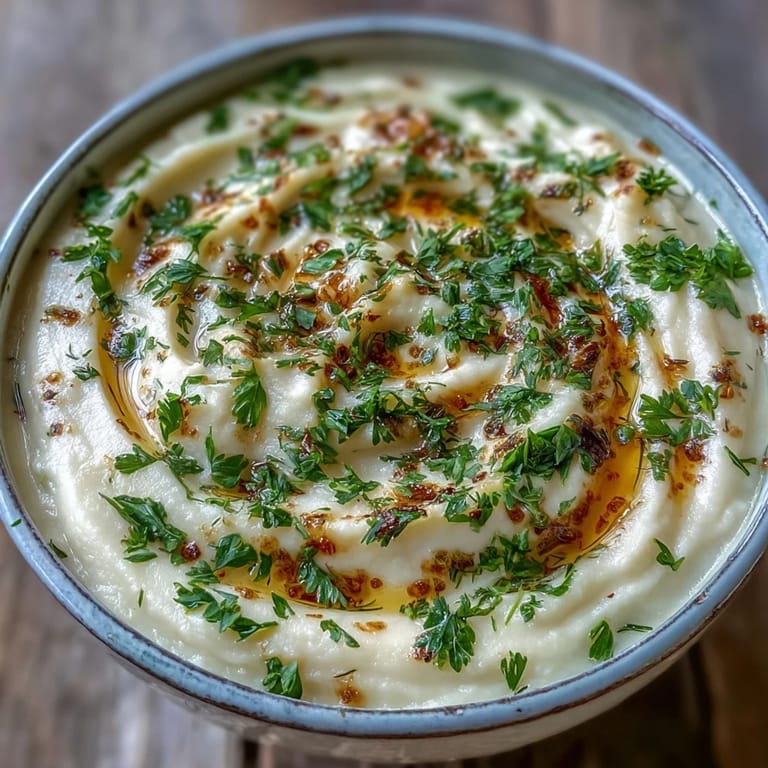
I brought this soup to a potluck during a particularly brutal cold snap last winter, transporting it in my largest thermos. Everyone arrived with runny noses and cold fingers, gratefully accepting steaming mugs of the creamy concoction. My friend Sarah, who normally avoids anything resembling a vegetable, went back for seconds and quietly asked for the recipe before leaving. The herbs floating on top caught the light like tiny emerald islands, making it as beautiful as it was warming.
Ingredients
- Parsnips: Look for medium-sized ones with firm flesh as the giant ones can sometimes have woody cores that affect the smoothness of your soup.
- Fresh herbs: The combination of parsley, chives, and dill creates a vibrant finish that balances the earthy sweetness of the roasted parsnips.
- Potato: Just one medium potato adds body and silkiness without overwhelming the parsnip flavor.
- Vegetable stock: The foundation of flavor here, so use homemade if possible or a good quality store-bought version with minimal additives.
- White pepper: I prefer white pepper in this pale soup for both aesthetic reasons and its subtle heat that complements the sweet parsnips beautifully.
Tired of Takeout? 🥡
Get 10 meals you can make faster than delivery arrives. Seriously.
One email. No spam. Unsubscribe anytime.
Instructions
- Roast the vegetables:
- Preheat your oven to 200°C and toss those parsnip chunks with the onion, garlic, and a generous glug of olive oil. Spread everything on a baking tray with enough space between pieces for proper browning.
- Create the soup base:
- Transfer those golden roasted vegetables to a large pot, adding the diced potato, bay leaf, thyme, white pepper, and vegetable stock. The kitchen will fill with an incredible aroma as these ingredients simmer together.
- Blend to perfection:
- After removing the bay leaf, blend everything until silky smooth. The transformation from chunky vegetables to velvety soup never fails to delight me.
- Enrich and season:
- Stir in the milk and gently warm the soup without letting it boil. This is the moment to taste and adjust the salt level.
- Finish with fresh herbs:
- Just before serving, fold in the chopped parsley, chives, and dill. The heat from the soup will release their aromatic oils and brighten the entire dish.
 Pin it
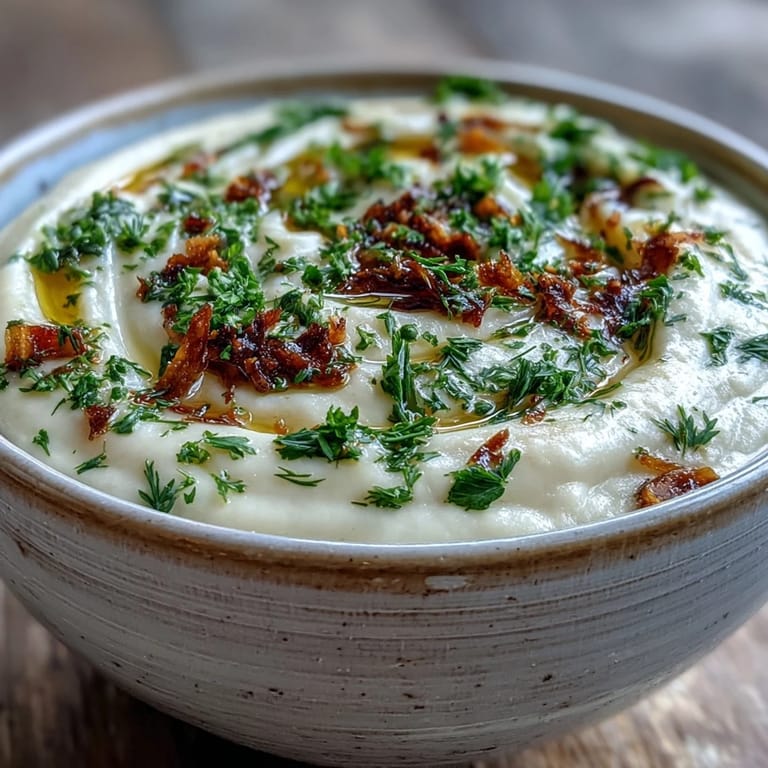
 Last Christmas Eve, when my sister was feeling under the weather, I brought over a container of this soup along with some crusty bread. We sat in comfortable silence at her kitchen table, steam rising from our bowls as the snow fell outside her window. She mentioned that it was the first thing shed been able to properly taste in days, and somehow that simple moment, sharing something nourishing I had made with my own hands, captured everything I love about cooking for others.
Serving Suggestions
Through much experimentation, Ive found this soup pairs beautifully with a slice of seeded bread or a simple green salad dressed with lemon vinaigrette. The brightness of the lemon cuts through the creamy richness of the soup, creating a balanced meal. For dinner parties, I serve smaller portions in espresso cups as an elegant starter, garnished with a single chive and a drop of olive oil that creates a beautiful marbled effect on the surface.
Storage and Reheating
This soup actually improves after a day in the refrigerator, as the flavors have more time to meld together. Ive learned to make a double batch, storing portions in airtight containers that keep well for up to four days. When reheating, do so gently over medium-low heat, adding a splash of stock if its thickened too much. Freezing works surprisingly well too, though I recommend adding the fresh herbs after reheating rather than before freezing.
Variations to Try
Over the years, Ive played with this recipe in countless ways, discovering that a teaspoon of curry powder added with the vegetables creates a warm, spiced version perfect for the coldest days. For special occasions, a swirl of truffle oil instead of regular olive oil elevates this humble soup to something restaurant-worthy. The potato can be replaced with a small sweet potato for an interesting flavor contrast that complements the parsnips beautifully.
- For a more substantial meal, try adding a handful of cooked barley or farro to each bowl before ladling in the soup.
- A garnish of toasted pumpkin seeds adds a wonderful textural contrast to the creamy soup.
- For a touch of brightness, a squeeze of lemon juice just before serving can wake up all the flavors.
 Pin it
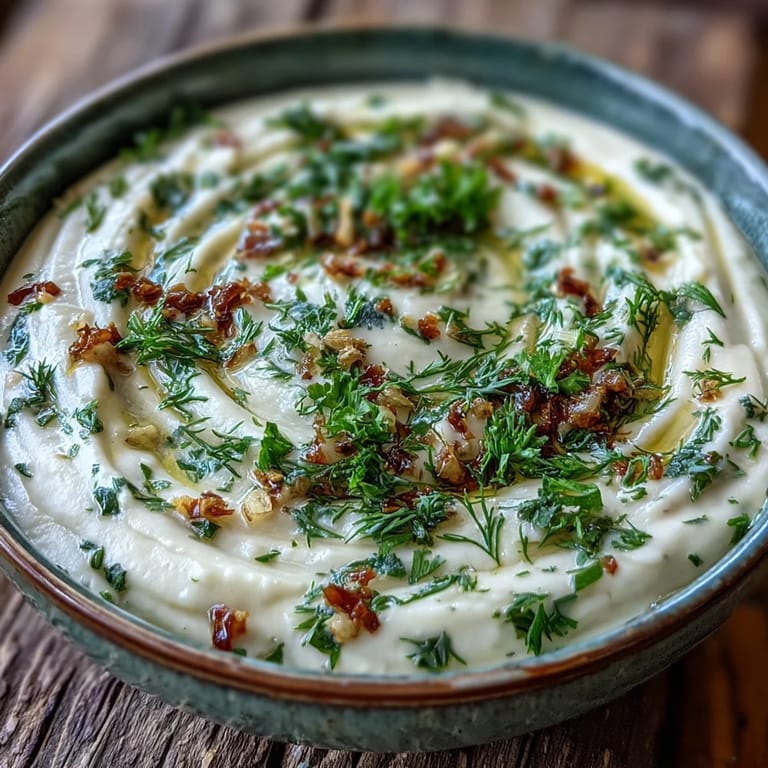
 There is something deeply satisfying about transforming humble root vegetables into something so elegant and nourishing. Each time I make this soup, Im reminded that cooking is as much about care as it is about ingredients.
Recipe FAQs
- → Can I make this soup ahead of time?
Yes, this soup reheats beautifully. Prepare up to 2 days in advance and store in the refrigerator. Reheat gently over medium-low heat, stirring occasionally, and add a splash of liquid if it has thickened. Add fresh garnish herbs just before serving for optimal flavor and appearance.
- → What herbs work best in this soup?
Parsley, chives, and dill form the classic trio, providing freshness and mild onion notes. You can substitute tarragon for a subtle anise flavor or add a small amount of rosemary for pine notes. Avoid overpowering herbs like sage or basil, which may compete with the parsnip's delicate sweetness.
- → Why roast the parsnips first?
Roasting caramelizes the natural sugars in parsnips, creating deeper flavor and golden color that boiling alone cannot achieve. The Maillard reaction during roasting adds nutty, sweet notes that make the final soup more complex and satisfying. This extra step transforms a simple vegetable into something special.
- → Can I freeze this soup?
Absolutely. Cool completely before transferring to airtight containers, leaving space for expansion. Freeze for up to 3 months. Thaw overnight in the refrigerator, then reheat gently. Note that the texture may be slightly thicker after freezing—simply thin with additional stock or milk when reheating.
- → How do I achieve the smoothest texture?
Blend thoroughly in batches using a countertop blender or use an immersion blender directly in the pot. For an ultra-smooth result, pass the blended soup through a fine-mesh sieve. Adding the milk after blending ensures the dairy doesn't separate during the blending process, resulting in a creamy, velvety consistency.
- → What can I serve with this soup?
Crusty bread, focaccia, or warm rolls are perfect for dipping. A light green salad with vinaigrette provides fresh contrast. For a more substantial meal, top with croutons, toasted seeds, or a poached egg. The soup also pairs beautifully with aged cheddar or goat cheese on the side.