 Pin it
 The first time I made celery root bisque was during a winter dinner party that nearly went awry. The power flickered all evening from an ice storm, and I was terrified wed lose electricity before serving the main course. As guests huddled around candles, this velvety soup became the unexpected hero of the night, its earthy warmth spreading comfort through the dimly lit room. Something about the subtle, sophisticated flavor made everyone forget about the weather drama unfolding outside.
My neighbor Catherine, who grew up in rural France, tasted this soup last autumn and closed her eyes in that way people do when food transports them. She told me her grandmother made something similar but insisted on harvesting celery root only after the first frost had touched it, claiming the cold concentrated the flavor. While I cant verify this bit of folk wisdom, I do know that when Catherine requested the recipe to serve at her daughters engagement dinner, I felt unreasonably proud.
Ingredients
- Celery root: Dont be intimidated by its gnarly appearance, beneath that rough exterior lies a creamy white flesh with a delicate flavor somewhere between celery and parsley.
- Yukon Gold potato: This variety adds silkiness to the texture without making the soup gummy or starchy like some other potatoes might.
- Leek: Make sure to rinse between the layers where grit loves to hide, a lesson I learned the hard way after serving a disappointingly crunchy version to my in-laws.
- Whole milk and heavy cream: The combination of both creates the perfect balance of richness without becoming too heavy.
- White pepper: I use this instead of black pepper purely for aesthetic reasons, keeping the bisque elegantly pale without distracting specks.
Tired of Takeout? 🥡
Get 10 meals you can make faster than delivery arrives. Seriously.
One email. No spam. Unsubscribe anytime.
Instructions
- Sauté the aromatics:
- Melt the butter until it foams slightly, then add your leeks, onion and garlic. Youll know theyre ready when your kitchen fills with that sweet, savory aroma but before they take on any color.
- Add the root vegetables:
- When you toss in the diced celery root and potato, give everything a good stir to coat with butter. This quick sauté before adding liquid helps release their flavors.
- Simmer until tender:
- Pour in the broth, add the bay leaf, and let everything bubble away gently. Youll know the vegetables are done when you can easily pierce them with a fork with no resistance.
- Blend until silky:
- Take your time with the blending step, especially if using an immersion blender. The extra minute or two makes the difference between a rustic puree and that velvety restaurant-quality texture.
- Enrich with dairy:
- Add the milk and cream when the heat is low to prevent any chance of curdling. Watch how the color transforms to an elegant ivory as you stir them in.
- Garnish thoughtfully:
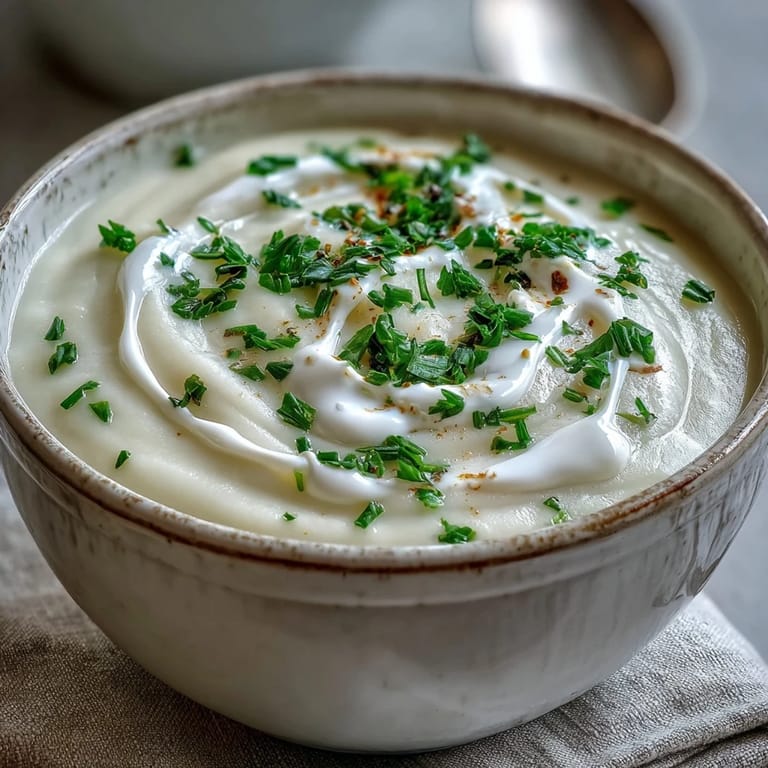
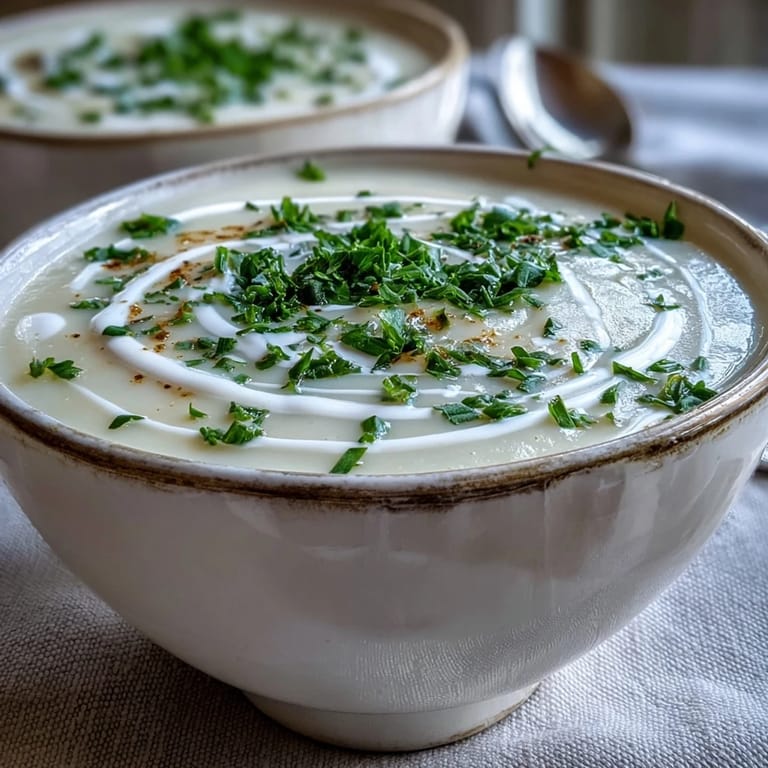
- A small sprinkle of herbs and that final drizzle of cream arent just for looks. They add a fresh contrast that cuts through the richness of each spoonful.
 Pin it
 Last Christmas Eve, when my sister announced her pregnancy by declining wine with dinner, I noticed she had three full servings of this bisque instead. Months later, she confessed that during her first trimester when nothing tasted good, she would make this soup weekly, calling it her little luxury while battling morning sickness. Now its become something of a family tradition to serve at holiday gatherings, quietly marking the passage of time and growing family.
Serving Suggestions
While this bisque stands beautifully on its own, Ive discovered it pairs wonderfully with a simple green salad dressed with a sharp vinaigrette that cuts through the creaminess. On particularly cold evenings, I serve it in warmed bowls, a small touch that makes an enormous difference in how long the soup stays at the perfect temperature. Sometimes I toast thinly sliced baguette with a bit of gruyère for dipping, creating what my husband calls little soup boats that return to the bowl half-empty.
Make-Ahead Options
The base of this soup can be made up to two days ahead and stored in the refrigerator before adding the dairy components. One summer when we had surprise visitors, I pulled a container of the base from the freezer, quickly heated it with fresh cream and milk, and everyone thought Id spent hours in the kitchen that morning. The soup freezes surprisingly well without the dairy, though the texture is most luxurious when made fresh or within that two-day window.
Troubleshooting Common Issues
Even seasoned cooks sometimes struggle with creamy soups breaking or becoming grainy. If your bisque looks curdled, lower the heat immediately and whisk vigorously rather than stirring in circles. For those without an immersion blender, working in very small batches in a regular blender gives better results than trying to process too much at once.
- If your soup seems too thick, add warm broth or milk tablespoon by tablespoon until you reach the desired consistency.
- Should you find the flavor too subtle, a pinch of fresh thyme or a few drops of lemon juice can brighten everything without overwhelming.
- Always taste for seasoning just before serving, as cold ingredients like cream can dampen the salt level.
 Pin it
 Whether served as a refined starter or paired with crusty bread for a complete meal, this bisque brings unexpected elegance to the table. In its quiet way, it reminds us that the most humble ingredients often hide the most remarkable possibilities.
Recipe FAQs
- → What does celery root taste like?
Celery root has a mild, subtle flavor reminiscent of celery with earthy, nutty undertones. When cooked in a bisque, it becomes delicately sweet and creates an incredibly smooth, velvety texture that pairs beautifully with cream and aromatics.
- → Can I make this bisque ahead of time?
Absolutely. This bisque actually improves in flavor when made ahead. Prepare it up to 2 days in advance, refrigerate, and gently reheat before serving. Add the cream garnish just before serving for the freshest presentation.
- → Why add potato to celery root bisque?
The Yukon Gold potato serves two purposes: it adds natural sweetness and helps create an incredibly smooth, velvety texture without needing excessive cream. The starch content contributes to the luxurious mouthwash that defines a classic bisque.
- → Is white pepper necessary?
White pepper is traditional in creamy soups and bisques because it provides gentle heat without visible black specks. If you only have black pepper, use it sparingly or strain the puréed soup through a fine-mesh sieve for the smoothest finish.
- → What pairs well with this bisque?
Crusty bread, toasted baguette slices, or delicate crackers make perfect accompaniments. For wine pairing, choose a crisp white like Sauvignon Blanc or Chardonnay. The bisque also works wonderfully as an elegant first course before a light main.