 Pin it
 My coworker brought hojicha fudge to the office last winter, and I watched everyone crowd around her desk like it was treasure. When she finally offered me a piece, the moment it touched my tongue—that roasted, almost nutty warmth melting into rich chocolate—I understood the fuss. She wouldn't share her recipe, so I spent months experimenting in my kitchen, trying to capture that same magical balance between earthy tea and decadent chocolate. Eventually, I nailed it, and now these squares have become my favorite gift to bring anywhere.
I made these for my book club last month, nervous that hojicha might be too adventurous for the group. One person took a bite and immediately asked for three more pieces, then wanted the recipe before dessert was even finished. That's when I realized this fudge doesn't feel experimental or intimidating—it just tastes like someone really cared about making something beautiful.
Ingredients
- Dark chocolate (200 g, 60–70% cacao), chopped: This is your foundation, providing depth without being bitter—look for good quality chocolate since you're tasting it directly.
- Milk chocolate (100 g), chopped: The sweeter player in the duo, balancing the dark chocolate's intensity and the hojicha's earthiness.
- Unsalted butter (100 g): Creates that silky, melt-in-your-mouth texture that makes fudge irresistible.
- Sweetened condensed milk (1 can, 397 g): The secret to that dense, fudgy consistency without needing to fiddle with thermometers.
- Hojicha powder (2 tbsp): The star—make sure it's actual roasted green tea powder from a Japanese or specialty shop, not a blend.
- Vanilla extract (1 tsp): A whisper of warmth that complements both the chocolate and tea.
- Salt (pinch): Just enough to heighten all the flavors without anyone realizing it's there.
Tired of Takeout? 🥡
Get 10 meals you can make faster than delivery arrives. Seriously.
One email. No spam. Unsubscribe anytime.
Instructions
- Prepare your pan:
- Line a 20 by 20 centimeter square baking pan with parchment paper, letting the edges overhang so you can lift the finished fudge out easily later. This small step saves you from frustration when you're trying to unmold.
- Create your chocolate foundation:
- Combine the chopped dark chocolate, milk chocolate, and butter in a heatproof bowl. Place this bowl over a saucepan of simmering water (double boiler style) and stir gently as it melts, watching for that moment when everything becomes glossy and smooth.
- Fold in the magic:
- Remove the bowl from heat and add the sweetened condensed milk, hojicha powder, vanilla extract, and salt. Stir thoroughly and patiently—you want the powder completely dissolved so there are no bitter tea specks, and the mixture should look glossy and even throughout.
- Pour and smooth:
- Transfer the fudge mixture into your prepared pan and use a spatula to create an even surface. Don't overthink this part; a few gentle strokes are all you need.
- Let time do the work:
- Refrigerate for at least two hours until completely set and firm to the touch. I usually leave mine overnight because patience here makes cutting cleaner and easier.
- Cut and store:
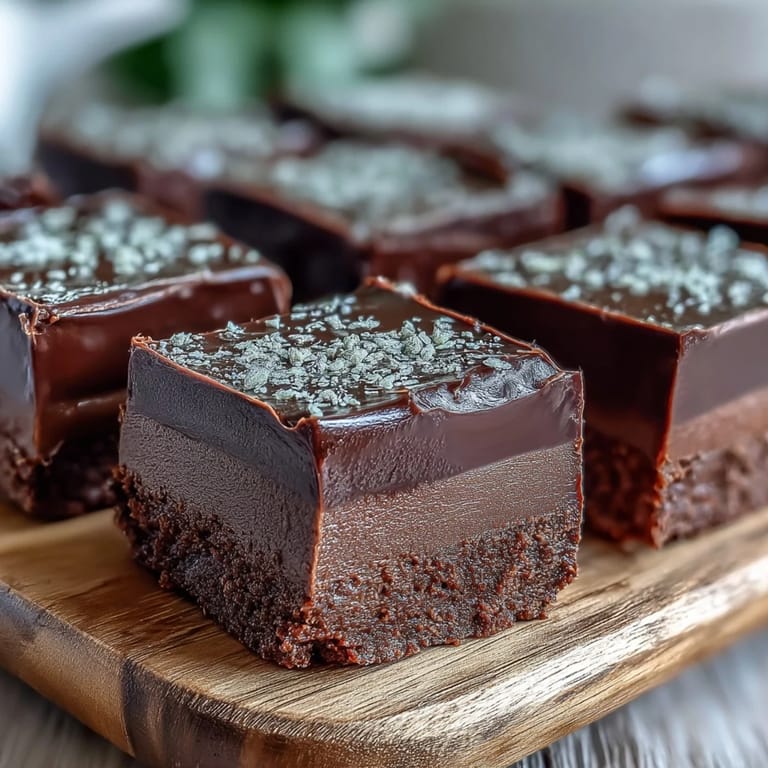
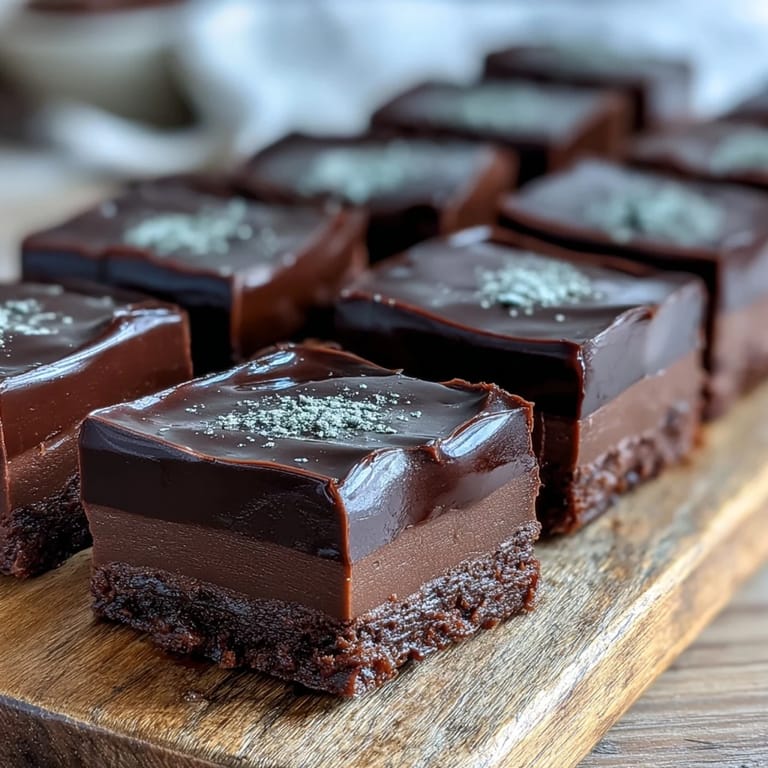
- Use the parchment paper to lift the entire fudge block out of the pan, then cut into sixteen squares with a sharp knife (wiping the blade between cuts keeps edges clean). Store in an airtight container in the refrigerator where it keeps beautifully for up to a week.
 Pin it
 The first time someone closed their eyes while eating my hojicha fudge and told me it reminded them of a teahouse in Kyoto they'd visited, I realized this recipe had become something beyond just dessert. It's a small edible moment that connects people to memories, tastes, and feelings they didn't expect to find in chocolate.
The Hojicha Difference
Hojicha is roasted green tea, which means it tastes nothing like the grassy matcha people might assume. Instead, it's warm, toasted, almost like caramel and nuts had a conversation in your mouth. This roasting process mellows the tea and adds subtle smokiness that somehow makes chocolate taste even more luxurious. Once you understand this flavor profile, you'll stop thinking of this as an exotic experiment and start seeing it as comfort.
Texture and Temperature Matter
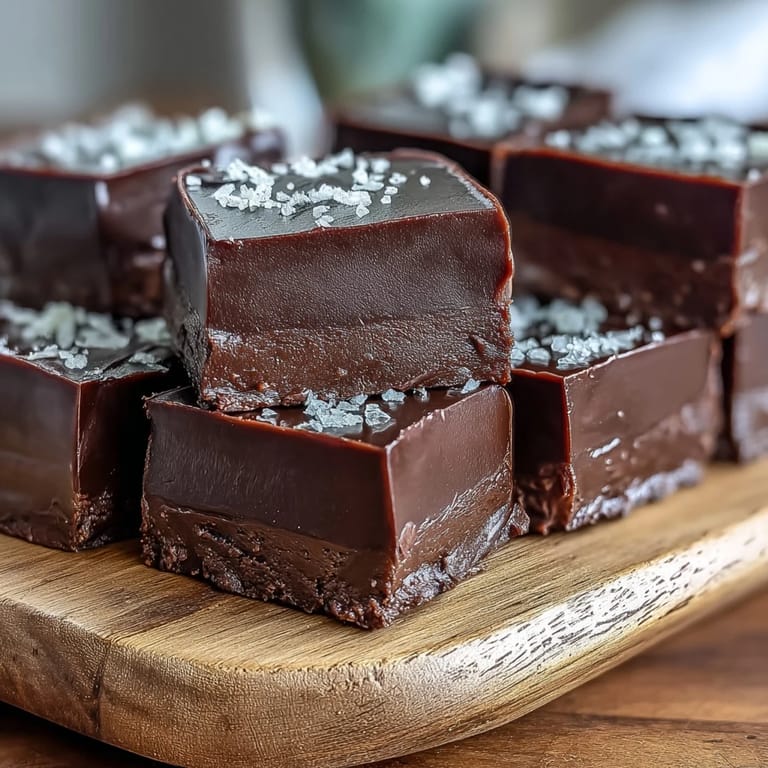
The magic of this fudge lives in how it feels on your tongue more than anything else. When properly chilled, it's dense but never hard, and it melts smoothly without that grainy sugar-crystal feeling cheap fudge sometimes has. I learned this by accidentally leaving a batch out on the counter once—it got too soft and lost that satisfying snap when you bite into it. Room temperature storage is your enemy here; these squares need their chill to stay elegant.
Customizing Your Batch
This recipe is a blank canvas if you want it to be, though I'd never change the hojicha because that's the whole point. Some people fold in toasted walnuts or almonds just before pouring, which adds a subtle crunch that plays beautifully against the silky chocolate. Others have asked about adding different extracts or a tiny pinch of ground ginger, and honestly, those experiments work because the hojicha is confident enough to share the spotlight. The one thing I never compromise on is the hojicha powder itself—it has to be the real thing.
- Toast your own nuts at 350 Fahrenheit for eight minutes if adding them, so they're fragrant and crispy.
- Add any mix-ins right before pouring so they stay suspended throughout instead of sinking to the bottom.
- If you want a nuttier hojicha experience, use an extra half teaspoon of powder and reduce the vanilla slightly.
 Pin it
 These fudge squares have quietly become my answer when someone asks what I love making most. There's something deeply satisfying about transforming a few simple ingredients into something that makes people pause and ask for more.
Recipe FAQs
- → What makes hojicha fudge different from regular chocolate fudge?
Hojicha fudge incorporates roasted Japanese green tea powder, adding deep caramel-like notes and a nutty aroma that creates a more complex flavor profile than traditional chocolate varieties.
- → Can I substitute matcha powder for hojicha?
No, hojicha has a distinct roasted, earthy flavor while matcha is bright and grassy. Substituting would completely change the intended taste experience.
- → How long does this fudge need to set?
Refrigerate for at least 2 hours until completely firm. The texture improves after a full night of chilling, allowing flavors to meld properly.
- → What's the best way to store these squares?
Keep in an airtight container in the refrigerator for up to one week. The cold maintains the dense texture and prevents the chocolate from becoming too soft.
- → Can I add nuts to this mixture?
Yes, fold in 50g toasted chopped walnuts or almonds before pouring into the pan for added crunch and complementary nutty flavors.
- → What type of chocolate works best?
Use quality dark chocolate (60-70% cacao) paired with milk chocolate for balanced richness. Higher-quality chocolate produces smoother, more glossy results.