 Pin it
 A few years back, I was standing in a Japanese tea shop, completely mesmerized by the smell of freshly roasted hojicha drifting through the air. The owner mentioned she loved baking with it, and something clicked—what if I combined that deep, caramel-tinged warmth with brown butter, which I'd been obsessing over that season? That afternoon in my kitchen became the birth of these cookies, where nutty butter meets toasted tea in the most unexpectedly perfect way.
I brought these to a small gathering on a rainy evening, and watching someone close their eyes after that first bite—genuinely transported—reminded me why I love cooking for people. My friend kept asking if there was some kind of tea involved, and when I explained the hojicha, she said it tasted like autumn in cookie form. That's when I knew I'd stumbled onto something worth keeping around.
Ingredients
- All-purpose flour (2 cups / 250 g): The base structure—use good quality flour if you can, and spoon it into your measuring cup rather than scooping directly, which packs it down and throws off your proportions.
- Hojicha powder (2 tbsp): This roasted green tea is the soul of the recipe; find it at Japanese markets or online, and don't mistake it for regular green tea powder, which will taste grassy and wrong.
- Baking soda (1/2 tsp): Helps the cookies spread slightly and brown beautifully on the edges.
- Fine sea salt (1/2 tsp): Cuts through richness and makes the hojicha flavor pop.
- Unsalted butter (3/4 cup / 170 g): You'll brown this, so use real butter—no substitutes—and watch it carefully as it transforms from melted to foamy to golden.
- Brown sugar, packed (1 cup / 200 g): The molasses in brown sugar adds caramel notes that echo the hojicha beautifully.
- Granulated sugar (1/4 cup / 50 g): Keeps the cookies from being too dense and helps with that crucial crispy edge.
- Egg plus egg yolk (room temperature): Room temperature eggs incorporate more smoothly; that extra yolk makes the texture more forgiving and custard-like in the center.
- Vanilla extract (2 tsp): Use real vanilla if possible—it rounds out the earthiness and adds warmth.
Tired of Takeout? 🥡
Get 10 meals you can make faster than delivery arrives. Seriously.
One email. No spam. Unsubscribe anytime.
Instructions
- Brown your butter with intention:
- Melt the butter in a small saucepan over medium heat, then keep stirring as it foams and the milk solids sink to the bottom and turn golden. You'll smell it before you see it—that nutty, almost toasted aroma is your signal. Stop right when it smells heavenly, not burnt, then pour it into a bowl to cool for about 10 minutes; this cooling step is crucial because hot butter will scramble your egg.
- Combine your dry elements:
- Whisk together the flour, hojicha powder, baking soda, and salt in a medium bowl, making sure the hojicha powder has no lumps. This distributes the tea flavor evenly so every cookie tastes the same.
- Build your wet base:
- In a large bowl, whisk the cooled brown butter with both sugars until the mixture looks smooth and lighter in color. Add the whole egg, egg yolk, and vanilla, whisking until everything is fully combined and the mixture feels creamy.
- Bring it together gently:
- Add your dry ingredients to the wet mixture and stir just until combined—resist the urge to overmix, which toughens cookies. The dough should look shaggy but cohesive.
- Scoop and space thoughtfully:
- Using a cookie scoop or tablespoon, place mounds about 2 inches apart on parchment-lined baking sheets. The space matters because these cookies spread slightly.
- Bake until barely set:
- Bake at 350°F for 10 to 12 minutes—the edges should be golden and set, but the centers should still look slightly underdone. This is the secret to that chewy middle.
- Cool with patience:
- Leave cookies on the baking sheet for 5 minutes so they firm up just enough to move safely, then transfer to a wire rack to cool completely. They'll continue to cook slightly from residual heat.
 Pin it
 There's something almost meditative about watching butter transform in a pan—the sound changes, the smell deepens, and you realize you're witnessing actual chemistry happen in real time. That moment of brown butter becoming its best self mirrors what hojicha is doing in these cookies, and together they create something that tastes like you spent hours in the kitchen when really, you just paid attention.
The Brown Butter Factor
Brown butter elevates ordinary cookies into something memorable, but it's also the most finicky ingredient here because it can burn in a split second. The foam that forms is actually milk solids separating—that's when the magic happens. I always position myself right in front of the stove during this step because the aroma tells you exactly when to stop, and that second of inattention changes everything.
Hojicha: More Than Just Tea
Hojicha isn't like matcha or sencha—it's roasted until it becomes something entirely different, with caramel and almost coffee-like notes. When you mix it into cookies, it doesn't scream tea flavor; instead, it whispers something complex underneath. If you can't find hojicha powder, don't substitute with regular green tea powder, which will taste bright and vegetal instead of warm and roasted.
The Texture Sweet Spot
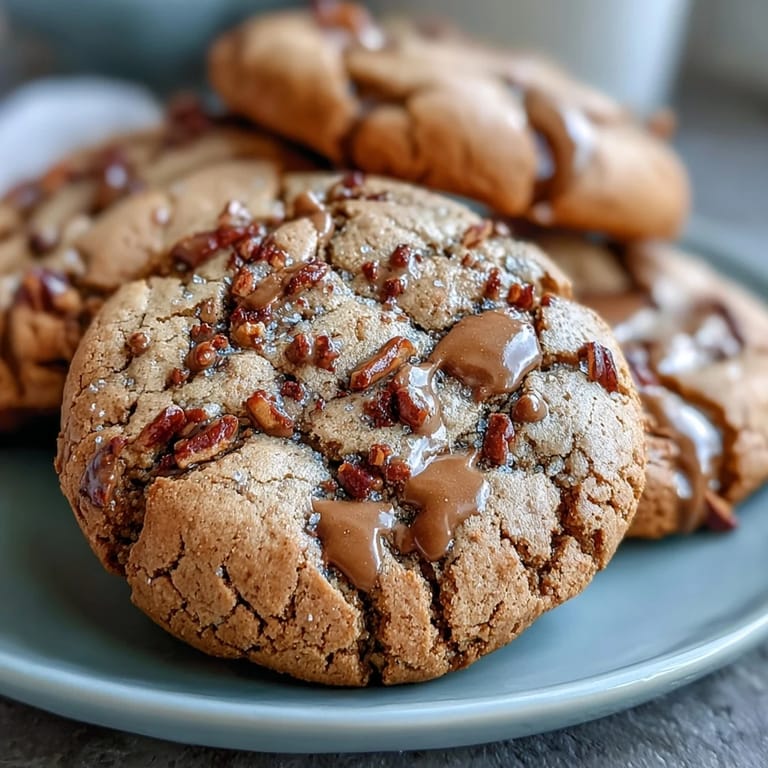
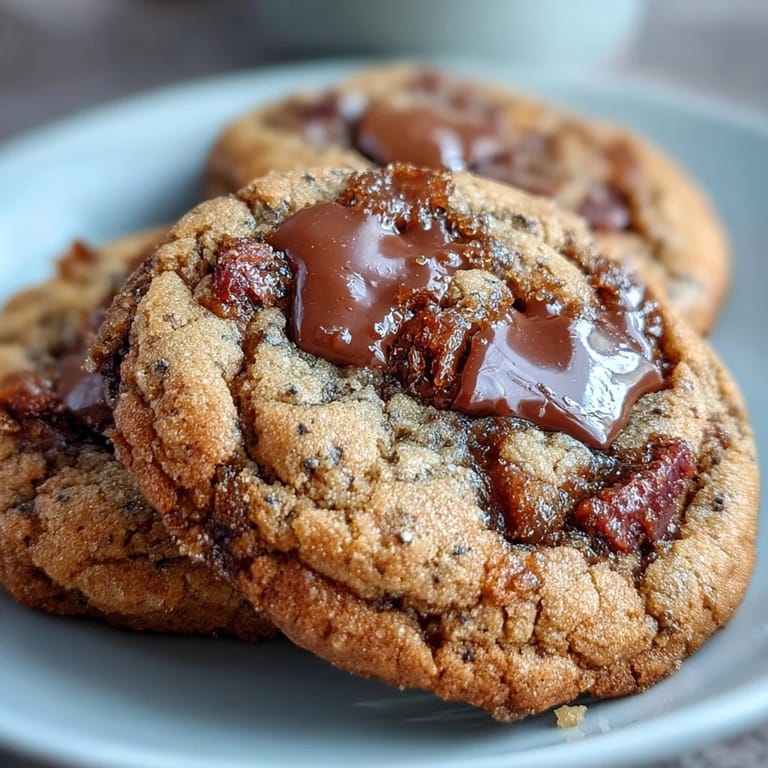
The magic of these cookies lives in the contrast—crispy edges giving way to a chewy, almost underbaked center. This means you have to bake them just right and resist pulling them out the moment they look done. The centers will look soft when you take them from the oven, and that's exactly what you want.
- If your cookies come out too cakey, your oven might run hot—lower the temperature by 25°F next time and add a minute to baking time.
- If they spread too thin and become too crispy throughout, your brown butter might have been too warm when you added the egg, or you packed your brown sugar too tightly.
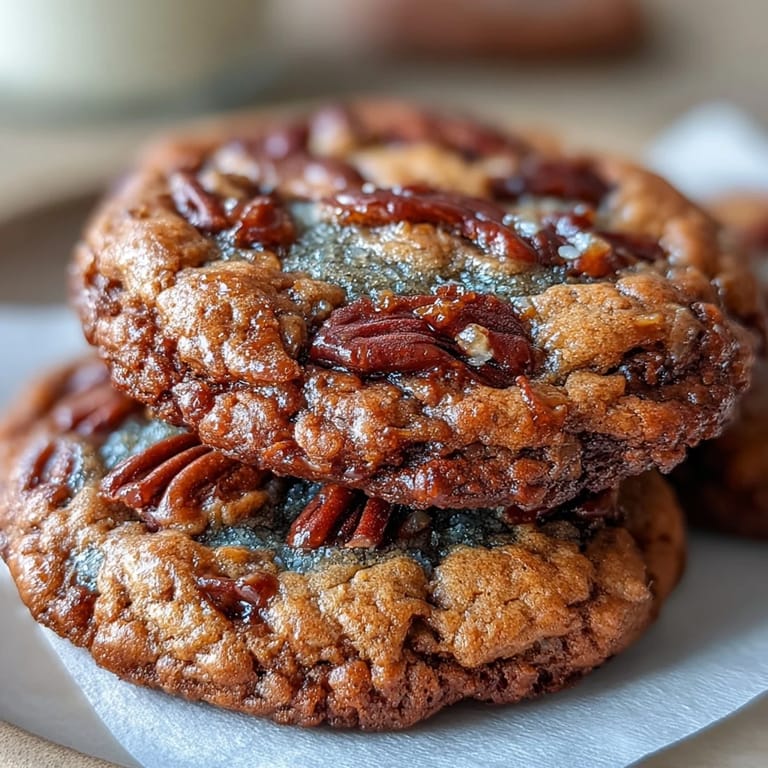
- A flaky sea salt sprinkle right after baking transforms these from lovely to unforgettable, so don't skip it.
 Pin it
 These cookies have become my go-to when I want to impress without fussing, and they taste even better the next day when the flavors have settled into each other. Make them once and you'll find yourself returning to them, always discovering something new in that dance between brown butter and toasted tea.
Recipe FAQs
- → What does hojicha taste like?
Hojicha delivers roasted, caramel-like notes with a nutty, toasty profile. Unlike matcha's grassiness, hojicha offers mellow earthiness with subtle sweetness. It pairs exceptionally well with brown butter's nutty characteristics.
- → Can I use salted butter instead?
You can substitute salted butter, though reduce the added salt to 1/4 teaspoon. The brown butter technique works the same—just watch closely since salted butter may foam more during the browning process.
- → Why do I need to let the butter cool?
Hot butter would cook the eggs when mixed, creating a curdled texture. Cooling for 10 minutes allows it to reach room temperature while still remaining liquid enough to blend smoothly with sugars.
- → How do I know when brown butter is ready?
The butter foams, then the foam subsides as milk solids turn golden brown and settle at the bottom. You'll smell a distinct nutty aroma. Remove from heat immediately—dark brown solids quickly become burnt.
- → Can I freeze the dough?
Scoop dough into balls, freeze on a baking sheet until firm, then transfer to an airtight container. They'll keep for 3 months. Bake frozen portions, adding 1-2 minutes to the baking time.
- → What's the best way to store these?
Keep in an airtight container at room temperature for up to 5 days. The moisture from brown sugar helps maintain chewiness. For longer storage, freeze baked cookies and thaw at room temperature.