 Pin it
 I discovered cottage cheese pasta entirely by accident on a Tuesday night when I was staring into my fridge, hungry and tired, watching the clock tick toward 7 PM. A container of cottage cheese sat there, nearly forgotten, and something clicked—why not blend it into something creamy instead of letting it sit unused? Twenty minutes later, I was twirling silky, protein-packed pasta onto my fork, amazed at how something so simple could taste like comfort in a bowl. That night changed how I cook weeknight dinners forever.
I made this for my sister last month when she mentioned she was trying to eat better but still wanted food that felt like a treat. Watching her take that first bite and then immediately twirl more onto her fork—without asking what the secret ingredient was—told me everything I needed to know about how well this works.
Ingredients
- Whole wheat or regular pasta (12 oz): Choose whatever shape speaks to you—penne catches the sauce beautifully in its tubes, but fusilli works just as well if that is what lives in your pantry.
- Low-fat cottage cheese (1 1/2 cups): This is the star, and blending it smooth is non-negotiable; lumpy sauce defeats the whole purpose.
- Milk (1/2 cup): Dairy or plant-based both work; this loosens the cottage cheese into something silky instead of thick.
- Grated Parmesan cheese (1/4 cup): Do not skip this—it adds a savory depth that transforms the sauce from plain to craveable.
- Garlic (2 cloves): Minced or whole, either goes into the blender; fresh garlic makes a noticeable difference compared to powder.
- Extra-virgin olive oil (2 tbsp): This enriches the sauce and helps it feel less lean despite being a lighter dish.
- Salt and black pepper: Taste as you go; the cottage cheese tends to need more seasoning than you might expect.
- Red pepper flakes (pinch, optional): A quiet warmth at the end, barely there until you notice it.
- Baby spinach (2 cups) and cherry tomatoes (1/2 cup): Both optional but they brighten the whole plate and add color without weighing anything down.
Tired of Takeout? 🥡
Get 10 meals you can make faster than delivery arrives. Seriously.
One email. No spam. Unsubscribe anytime.
Instructions
- Get the pasta going:
- Fill a large pot with salted water—it should taste like the sea—and bring it to a rolling boil. Add your pasta and cook until al dente, which means tender with just a whisper of resistance when you bite it. Before draining, scoop out about 1/2 cup of that starchy water; it is liquid gold for loosening the sauce later.
- Blend the magic:
- While the pasta bubbles away, add the cottage cheese, milk, Parmesan, garlic, olive oil, salt, pepper, and those red pepper flakes into a blender or food processor. Blend until completely smooth and creamy—this takes about a minute or so, and you want zero lumps.
- Bring it together:
- Return the drained pasta to the pot over low heat, pour in the cottage cheese sauce, and toss gently until every strand is coated. Add reserved pasta water a splash at a time until the sauce flows like silk without being thin.
- Add the vegetables:
- Stir in the spinach and cherry tomatoes if you are using them, and let everything warm through for just 1-2 minutes until the spinach wilts and softens. This keeps the vegetables bright instead of overcooked.
- Plate and serve:
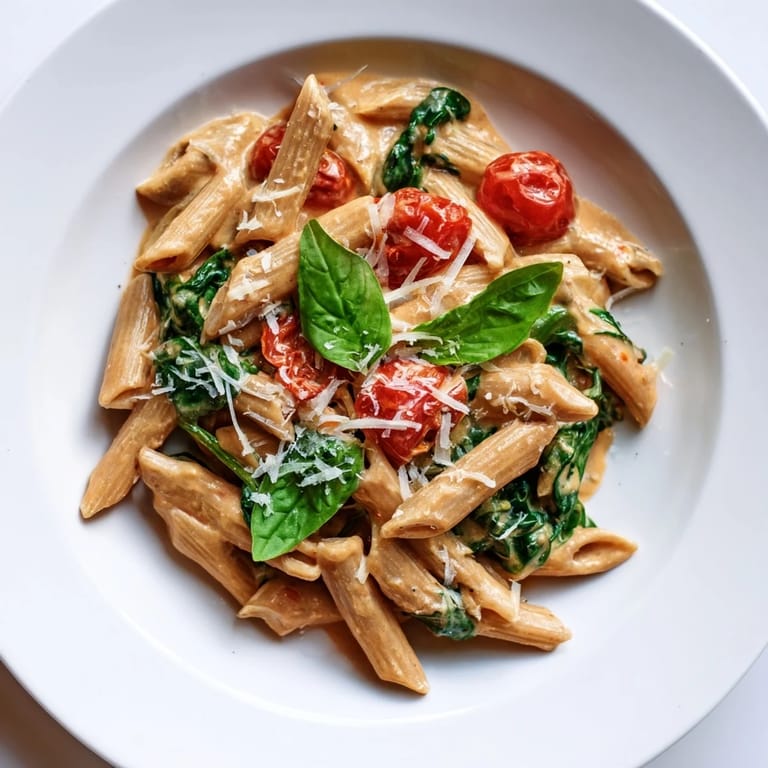
- Transfer to bowls immediately, scatter fresh basil leaves and a small shower of extra Parmesan over the top, and eat it while it is warm and at its creamiest.
 Pin it
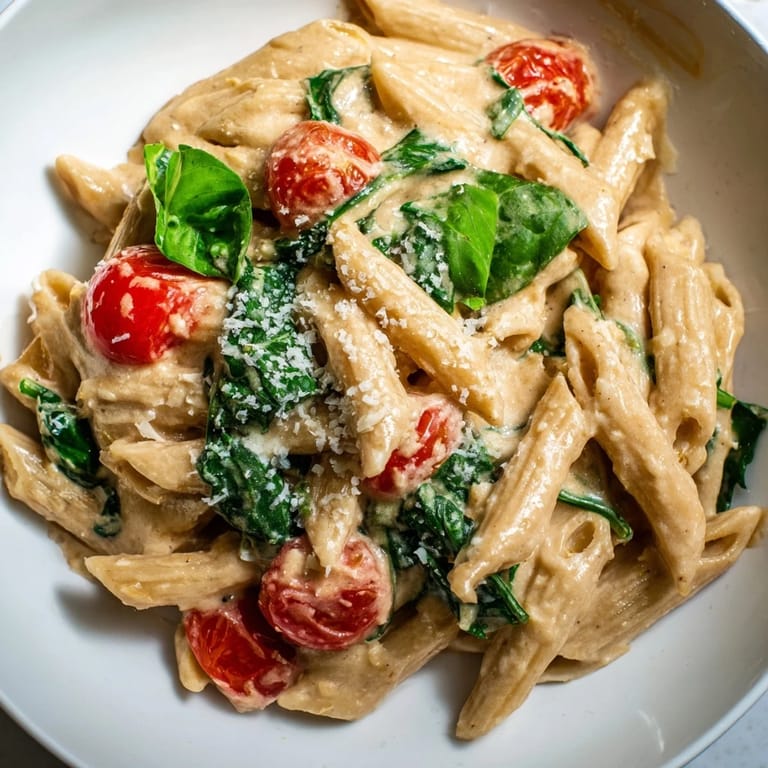
 There was this moment, just before I served it to my boyfriend, when I tasted it and realized how genuinely creamy and rich it tasted despite being a lighter dish than traditional cream-based pasta. He asked for seconds before finishing his first bowl, and that is when I knew this was something that belonged in regular rotation.
Why This Sauce Works So Well
Cottage cheese gets a bad reputation for its texture, but that texture is actually an advantage here—it blends into something impossibly smooth when given a moment in the blender, smoother than ricotta and cheaper than cream. The milk and Parmesan work together to make it taste rich and indulgent without feeling heavy, and the blended garlic adds a subtle sweetness that rises up underneath everything else. By the time you toss it with hot pasta, it coats every surface with something that tastes like it took hours to make, when really it took minutes.
Making It Your Own
This recipe is flexible enough to bend to whatever you have on hand and whatever your mood demands. Some nights I skip the vegetables entirely and just let the sauce be the star; other nights I throw in a handful of cooked shredded chicken or sautéed tofu cubes to add another layer of protein. You can swap the spinach for arugula, kale, or even frozen peas, and each one shifts the flavor just slightly—peas add sweetness, arugula adds a peppery edge.
The Finishing Touches
Fresh basil is not just a pretty garnish; it brings a bright, almost herbal note that lifts the whole dish and makes it feel more intentional than it actually is. An extra grating of Parmesan adds both flavor and texture, giving you something to look forward to with each bite. This is also the kind of dish that pairs beautifully with a crisp white wine like Sauvignon Blanc or Pinot Grigio if you want to make it feel like dinner instead of just weeknight fuel.
- Taste the sauce before plating and adjust salt or pepper to your preference; cottage cheese often needs more seasoning than you might expect.
- If you make this ahead, store it in the fridge and reheat gently with an extra splash of milk to bring back the creaminess.
- This dish is best eaten immediately while the pasta is still warm and the sauce still clings beautifully to every strand.
 Pin it
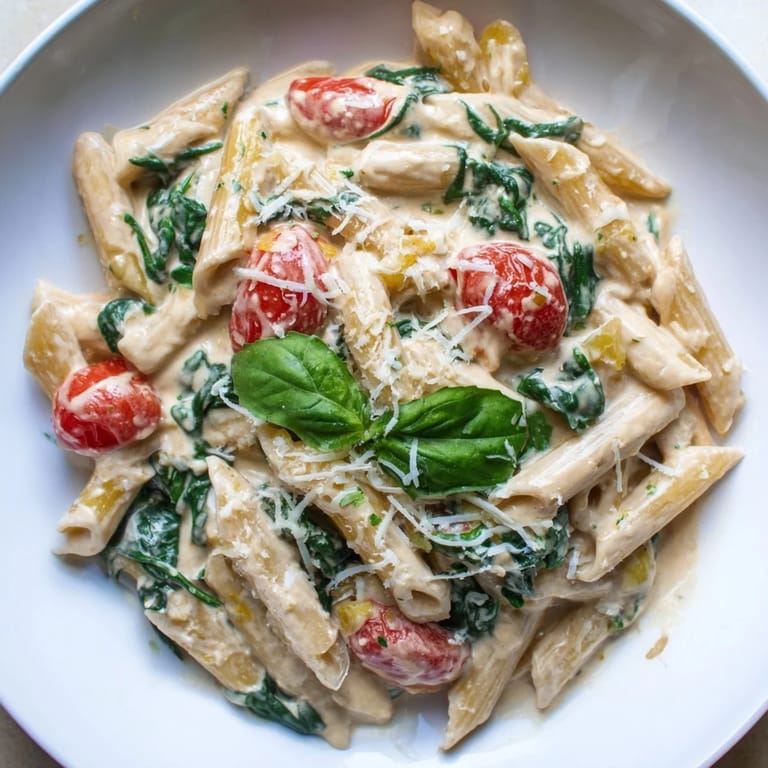
 This pasta has become one of my favorite ways to eat something that feels indulgent but actually serves my body well. It reminds me that good food does not have to be complicated or time-consuming to feel like something worth making again and again.
Recipe FAQs
- → What type of pasta works best in this dish?
Whole wheat pasta adds fiber and a nutty flavor, but regular pasta like penne or fusilli blends well with the creamy sauce.
- → Can I substitute the milk in the sauce?
Yes, dairy or unsweetened plant-based milk can be used to achieve the desired creamy consistency.
- → How do I ensure the sauce coats the pasta evenly?
Adding reserved pasta cooking water gradually helps to loosen the sauce and allows it to cling smoothly to the pasta.
- → Are there protein boost options for this dish?
Adding cooked chicken breast or sautéed tofu cubes increases protein content without altering the creamy texture.
- → What herbs complement this pasta?
Fresh basil leaves add a fragrant and slightly sweet finish that enhances the overall flavor.